Edutainment: Finding the Perfect Balance for Your Child
Navigating the fine line between spontaneous play, goal-directed learning, and the digital whirlpool of modern technology.
The Modern Dilemma: Freedom vs. The Screen
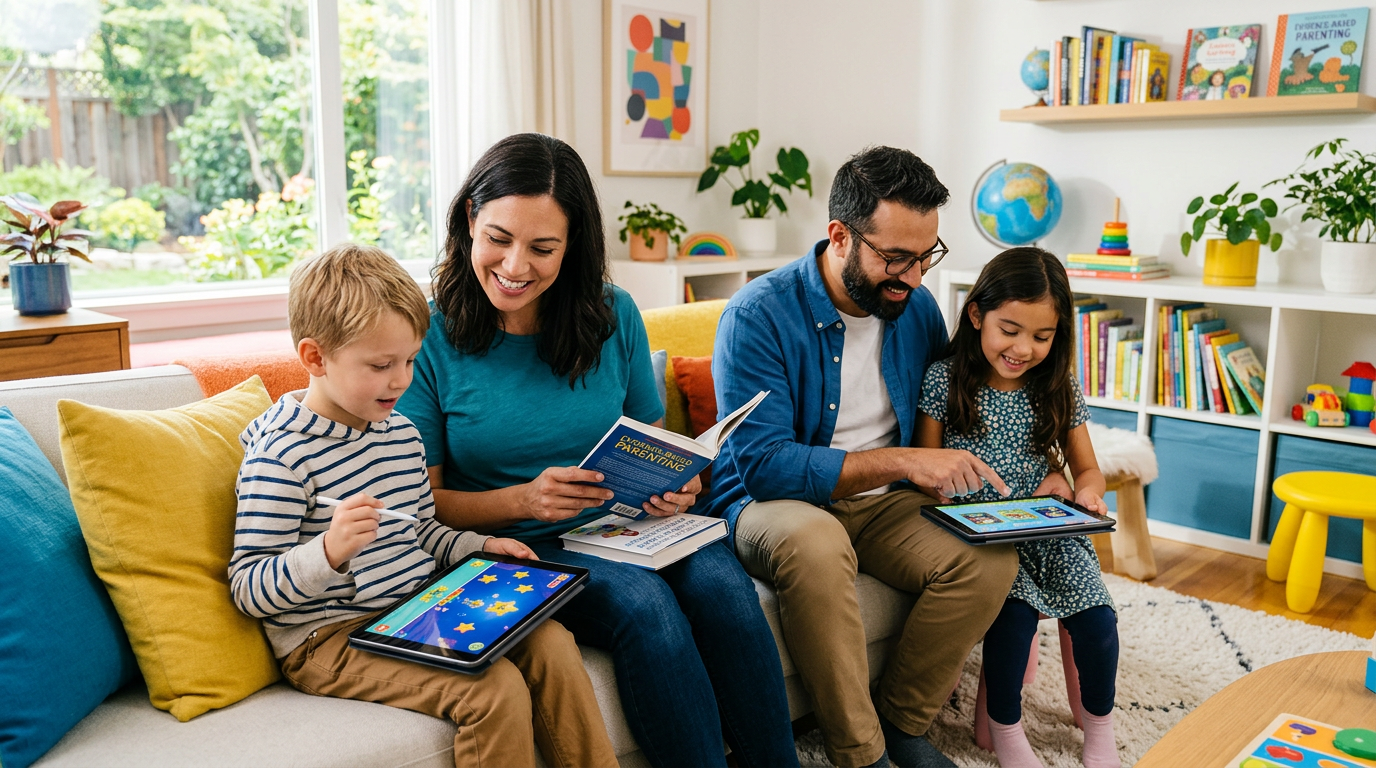
In today's fast-paced, digitally driven world, parents are constantly bombarded with a single, pressing question: How much is too much? Education has an undeniable, massive impact on a child's ability to navigate the world and advance to a fulfilling career. Yet, exhausting a child's brain until their stress levels reach a breaking point does not benefit their life; it actively works against it.
Not many adults fully comprehend the true significance of the word "childhood." If you pause to reflect on it, an alarming number of modern children are losing their fundamental experience of freedom. This loss is primarily caused by an imbalance—either an overwhelming push toward rigid academics or, more commonly today, a deep saturation of digital entertainment.
The Digital Whirlpool
Modern-day technology can inadvertently lock away the emotional growth of this generation. The drastic, unfiltered use of the internet and endless digital scrolling tricks the brain into feeling a false sense of achievement. This addiction to screens automatically convinces the child that the dopamine hit they are receiving is true happiness. As Albert Einstein once noted, "Everything that is really great and inspiring is created by the individual who can labor in freedom." Technology, when unchecked, acts as a robotic whirlpool, sucking away a child's ability to make independent, creative choices.
Defining the Dimensions of Childhood
Structuring the 24-Hour Day
Look at a normal 24-hour day for a young child. They might sleep for 10 to 12 hours. They will have time for food, time with family, and plenty of time to play. But you must also carefully structure an academic learning time. This learning period will look vastly different depending on the child's age.
Don't Forget Physical Balance
Did you know that balancing education and entertainment isn't just a mental exercise? It heavily involves physical wellbeing.
Sensory & Motor Training
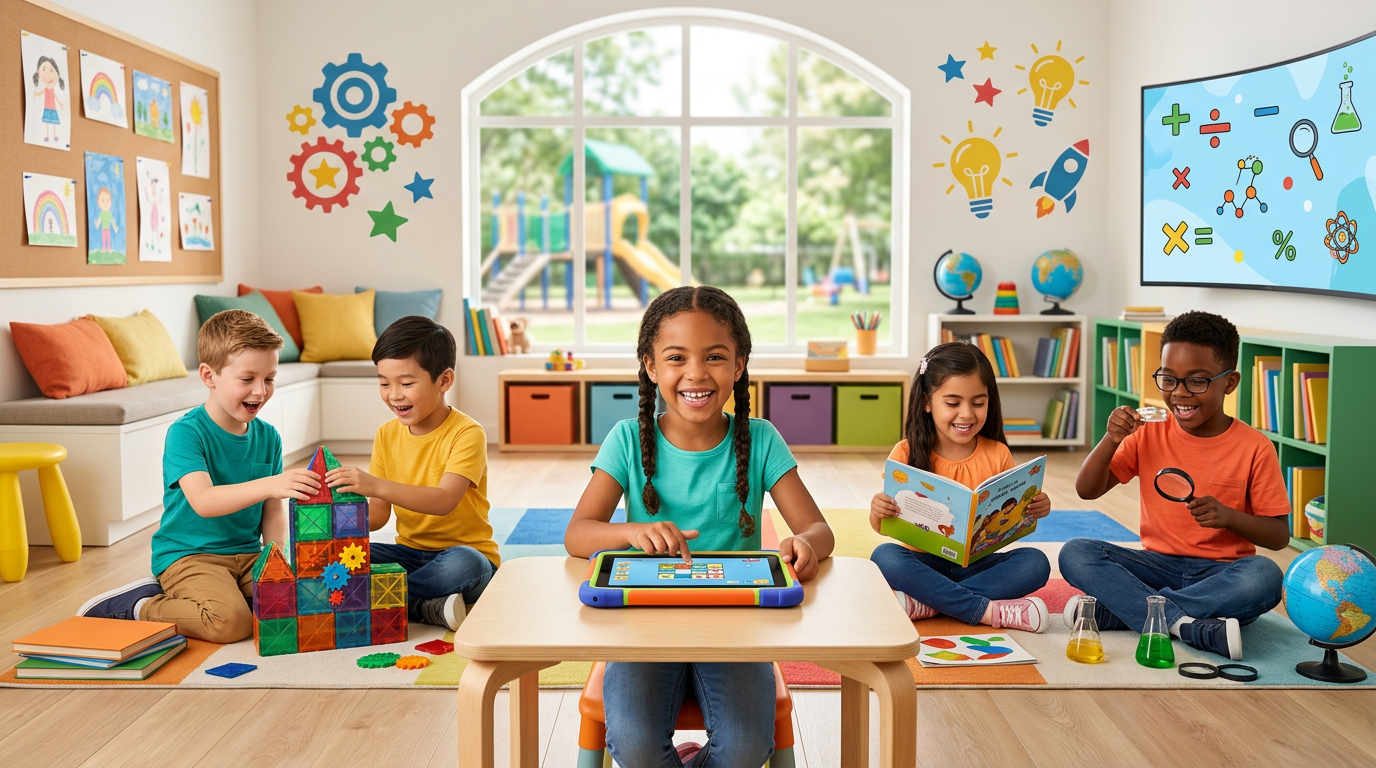
Research shows dramatic improvements in a child's brain coordination when they engage in rigorous physical balance training. What we see impacts our spatial awareness. Taking kids away from flat 2D screens to interact with 3D physical objects builds crucial motor pathways.
Agility & Stability
Agility means staying strong and stable while reacting to an external environment—something sitting at a desk or holding a tablet cannot teach. Make sure part of their "play" time involves dynamic movement: running, twisting, bending, and reacting to the physical world.
The Whole-Self Balance Checklist
"Your heart, your head, your arms, and your legs need that balance too. Too much of something can make you mad or blue." Check off the habits you actively practice in your household.
Determination is Worth More Than Gold
The most difficult thing for a human to achieve is true balance. Just because you implement a strict schedule for a month doesn't mean you will win a medal. The only medal you can truly win in parenting is the quiet reward of determination and commitment to your child's holistic growth. This skill, this dedication to balancing their education, their uninhibited freedom to play, and their exposure to the digital world, has a much greater value than gold.
Help Your Child Fall in Love with Reading
Picture This! teaches visualization step-by-step so children can genuinely understand—and enjoy—what they read.