Rethinking Reading
An interactive playbook for parents and teachers navigating foundational literacy, screen time, and the science of reading.
Educators across the country are sounding the alarm. In recent discussions and documented vents from middle and high school teachers, a startling reality has emerged: a significant portion of older students are fundamentally struggling with literacy. Teachers report 10th graders operating at 2nd or 3rd-grade reading levels, unable to sound out basic words using pronunciation, and relying heavily on guessing.
The attention spans of students have drastically shifted. A commonly cited rule of thumb among educators is that a child's attention span in minutes is roughly equal to their age plus one (e.g., a 12-year-old has a 13-minute attention span). However, recent observations suggest even this baseline is deteriorating. Educators report that students outright refuse to read, treating "No" as an appropriate response to assigned reading tasks, leaving teachers feeling powerless and frustrated.
The "Lucy Calkins" Dilemma
Many parents and teachers point to systemic curriculum failures as a root cause. Specifically, curricula like Lucy Calkins (Balanced Literacy), which relies on "cueing" and guessing strategies rather than explicit phonetic decoding, have been heavily criticized. Parents of first graders report their children struggling immensely under this system, prompting a desperate need for research-backed, phonics-based interventions to prevent long-term educational harm.
The Cultural Divide: Home vs. School
Beyond curriculum, there is a recognized "home-school dissonance." The culture and expectations at home sometimes clash dramatically with the school environment. Whether it's differing expectations around respect (like the use of "please" and "thank you") or religious objections to reading materials, these clashes complicate the learning process. Furthermore, educators note a lack of parental modeling; when children do not see their parents reading for pleasure, they are less likely to value the activity themselves.
Help Your Child Fall in Love with Reading
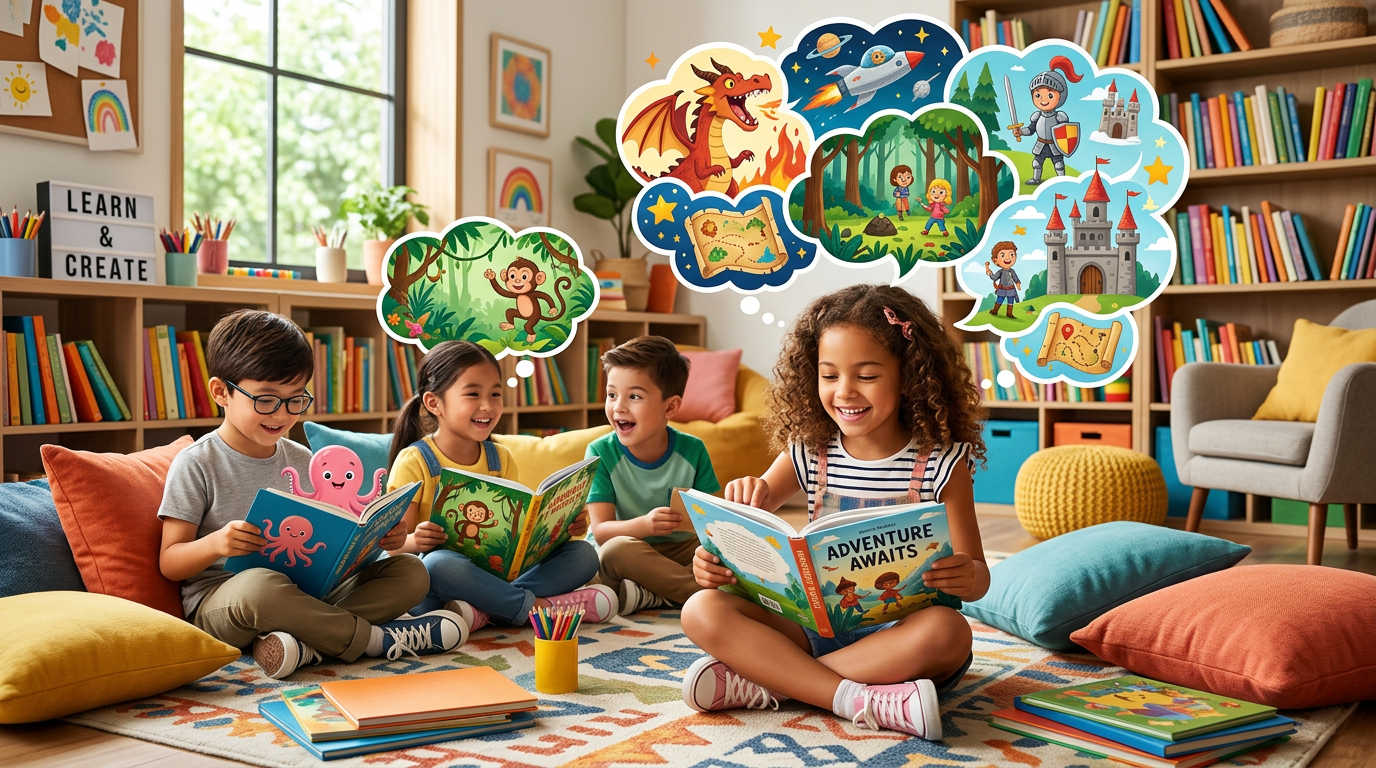
Picture This! teaches visualization step-by-step so children can genuinely understand—and enjoy—what they read.