
Free phonics coloring worksheets
Coloring gives a child a reason to look at a letter or a word for longer than any worksheet does — and it builds pencil control at the same time. That's the whole trick. A child coloring the picture of a sled while saying "sled — /s/" is doing real phonics work, just quietly and happily.
This page collects the phonics printables on the site whose artwork is genuine outline line art — drawn with no fills, so every picture prints as a colorable black-and-white drawing. To be plain about what these are: they're phonics worksheets, flashcards and mini-books with colorable illustrations, not a standalone coloring book. The hunt-and-color scene pages come closest — on those, the color your child picks depends on the sound they hear.
What's a "phonics coloring worksheet"?
The formats you'll find on this page:
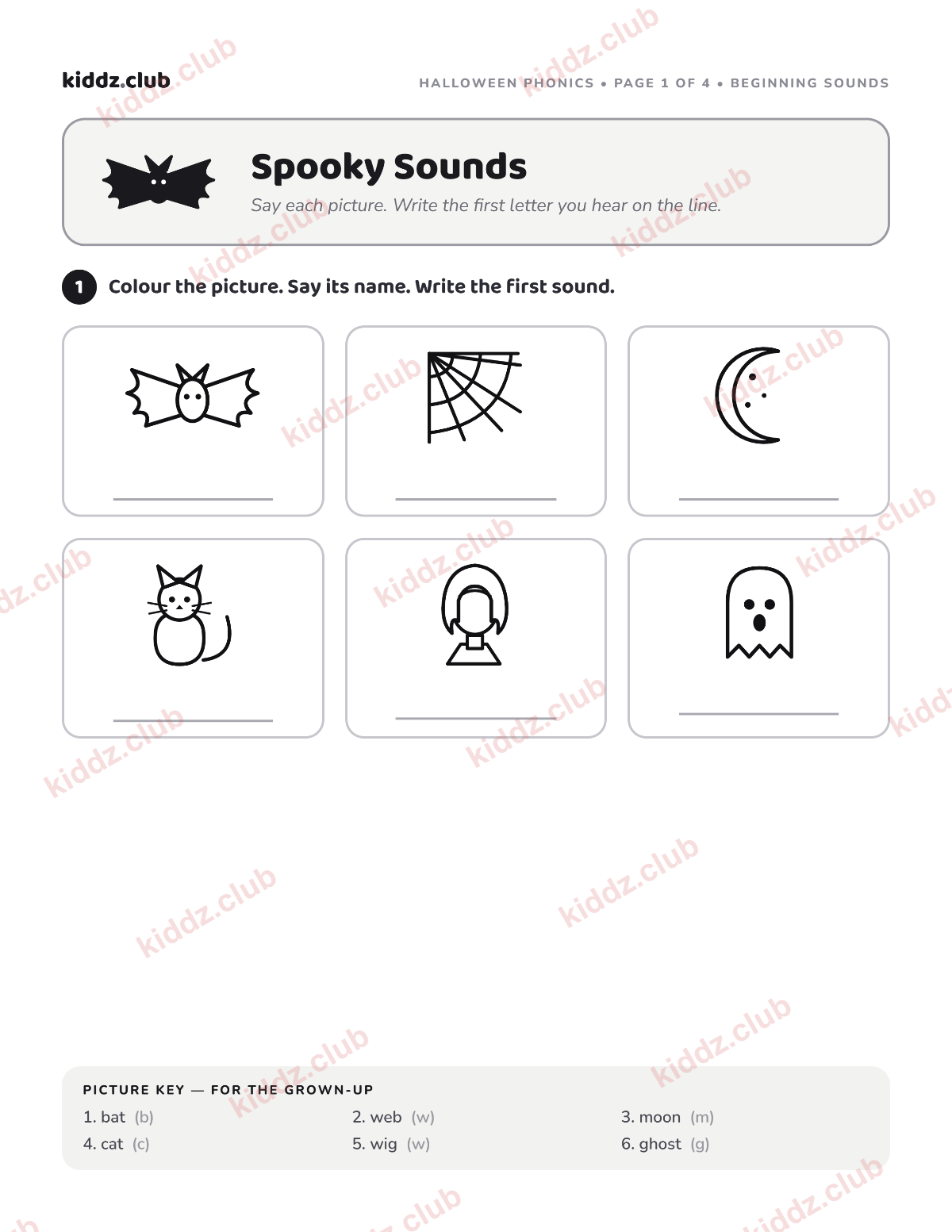
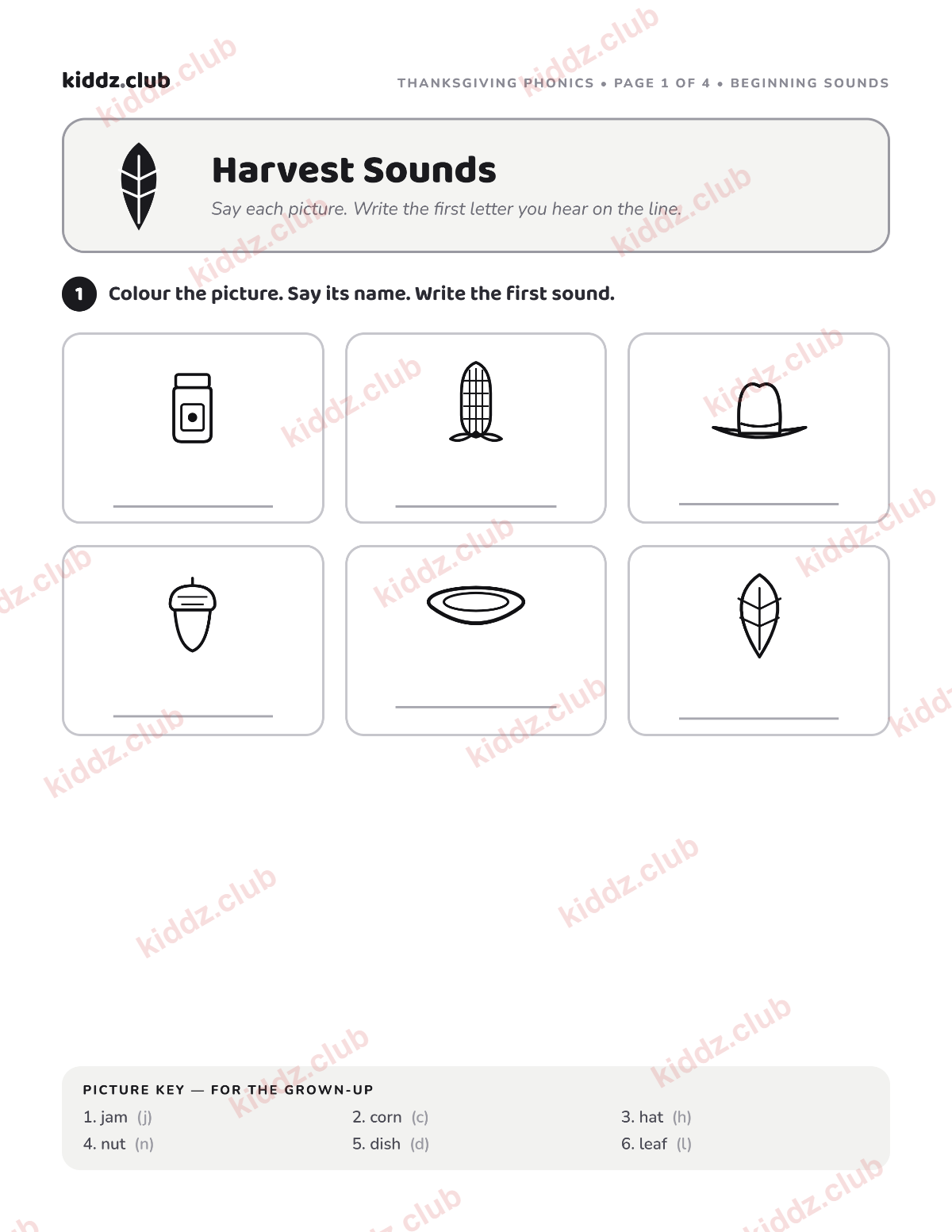
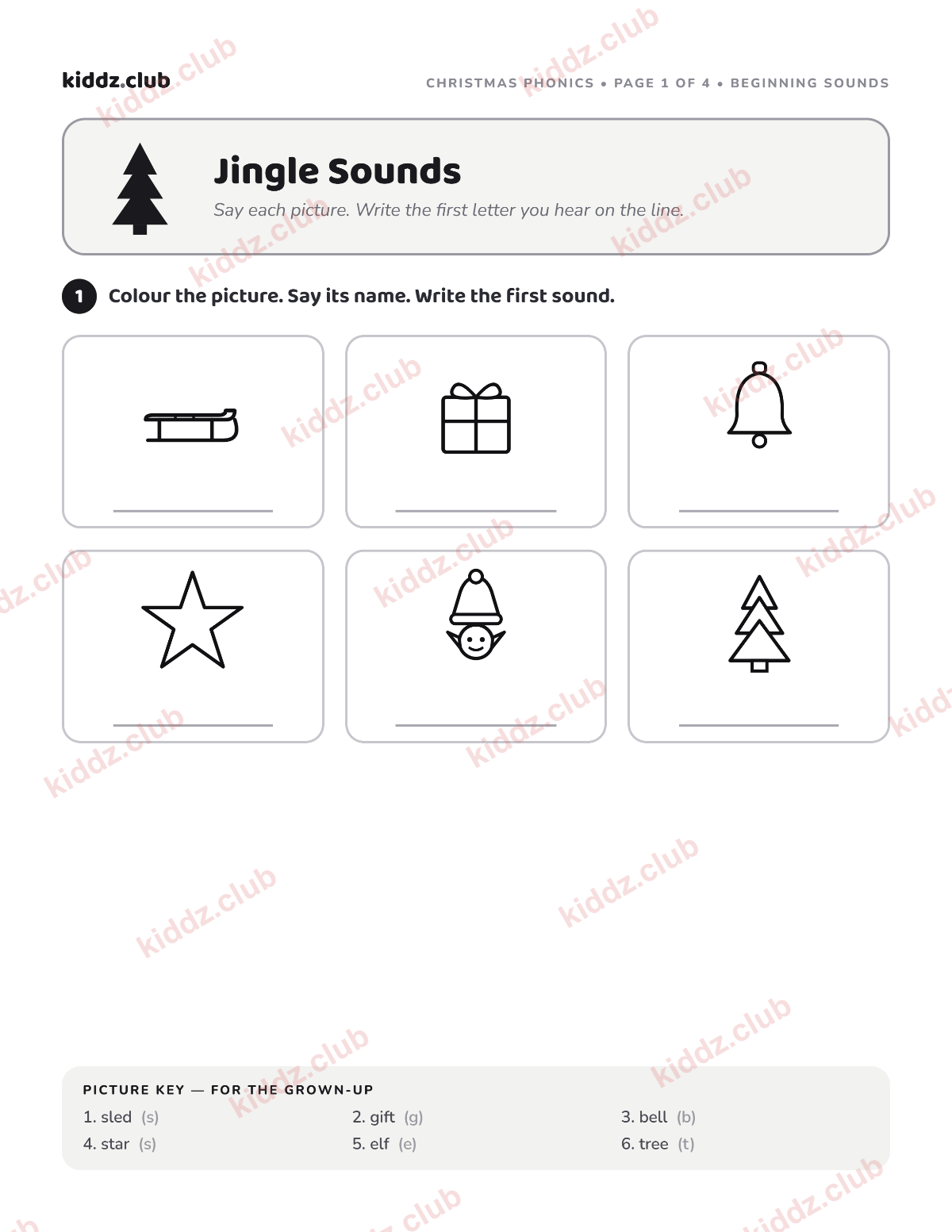
Color-the-picture sound pages — Six small outline pictures; your child colors each one, says its name, and writes the first letter they hear. Builds initial-sound awareness.
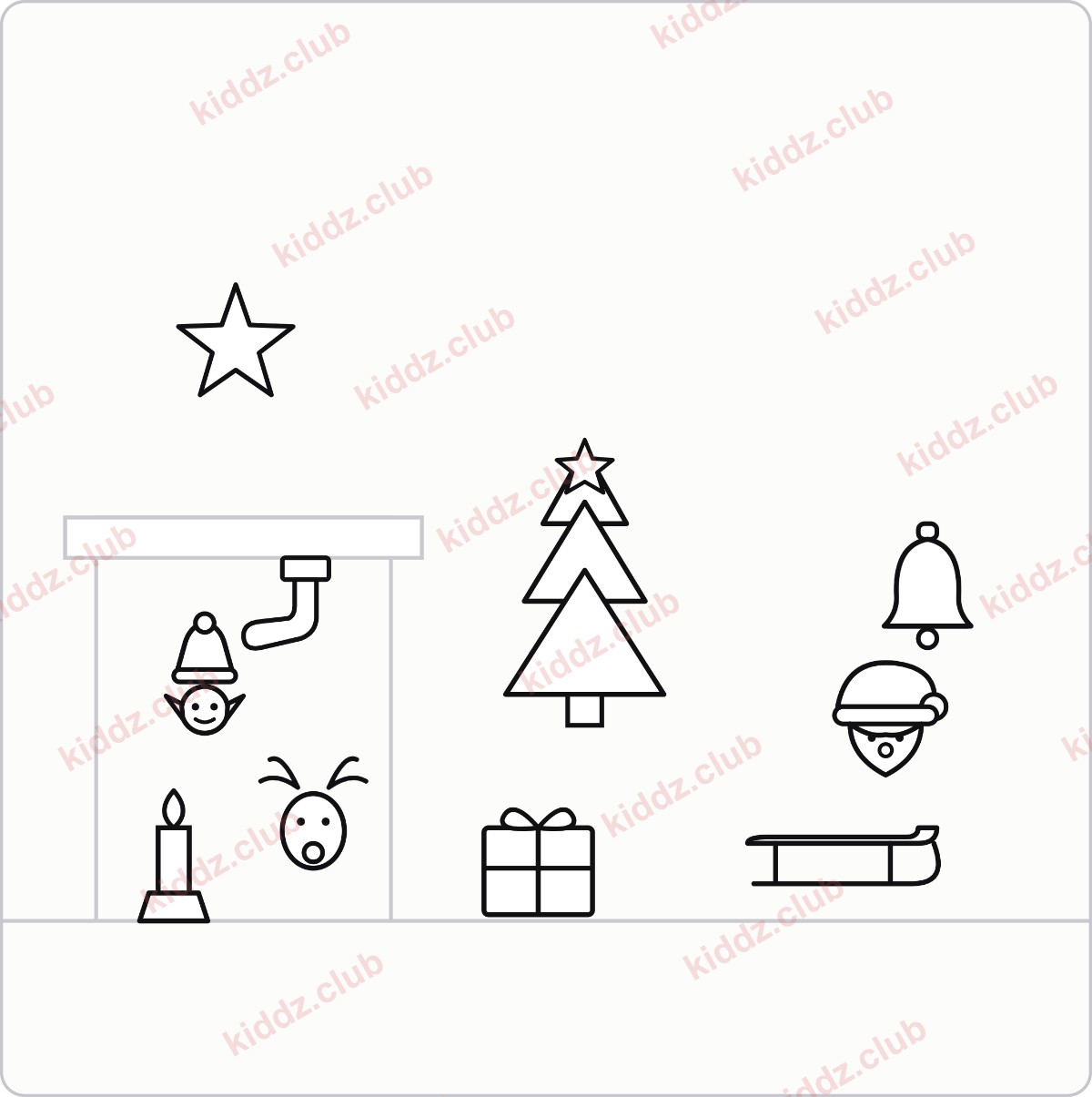
Hunt-and-color scenes — A full-page scene where the instruction ties color to sound: color everything that starts with /d/ red, every short-e word yellow. Builds sound discrimination.
Big outline flashcards — One large line drawing per card. Color it, then say the word.
Fold-and-color mini-books — A one-sheet book of decodable sentences with an outline picture to color on each panel.
Free phonics coloring downloads
Every file below is a real, free PDF — the coloring pages sit inside our seasonal phonics packs, because that's where the outline artwork lives. Each sound-hunt pack includes a color-the-picture page and a hunt-and-color scene alongside its other worksheet pages.
Coloring sound hunts — the core set
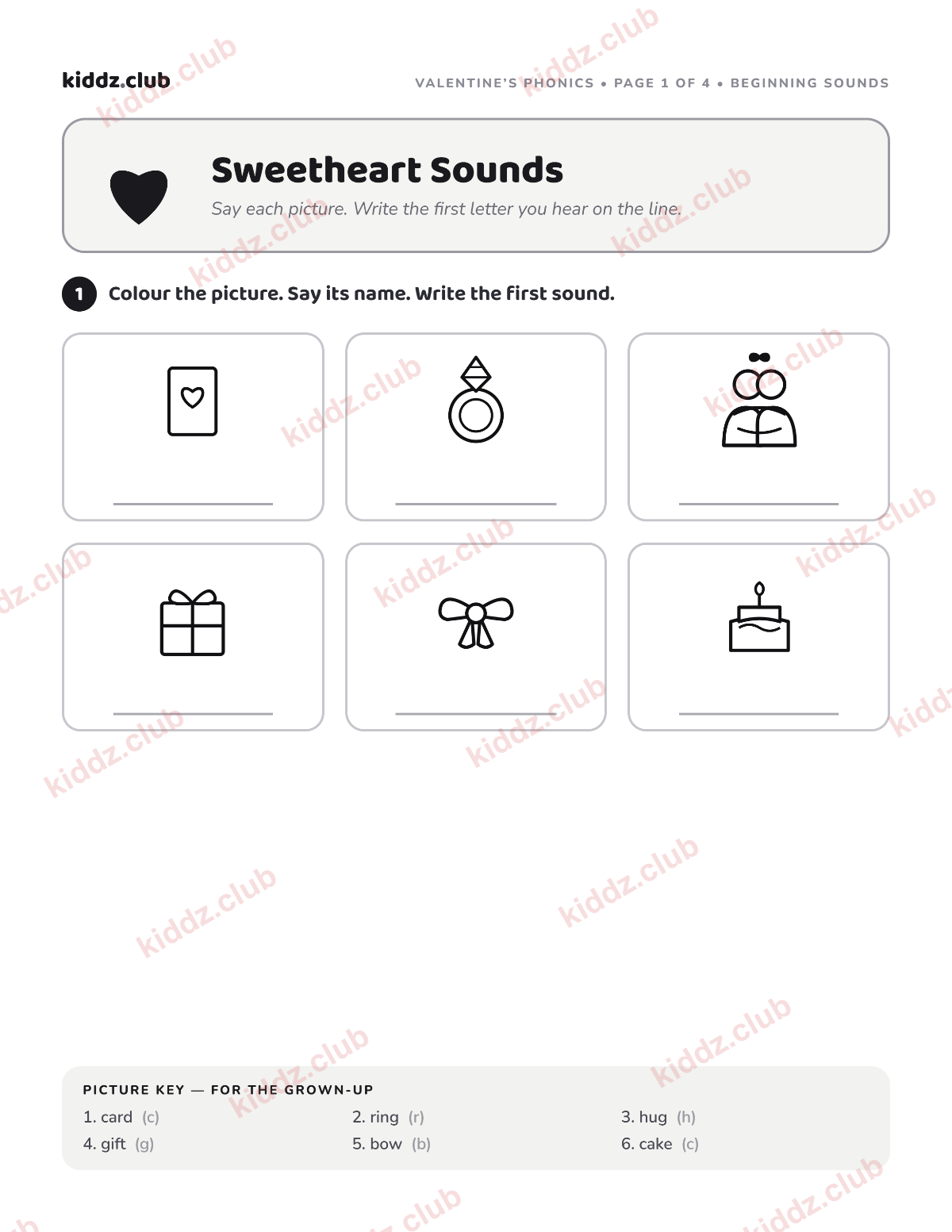
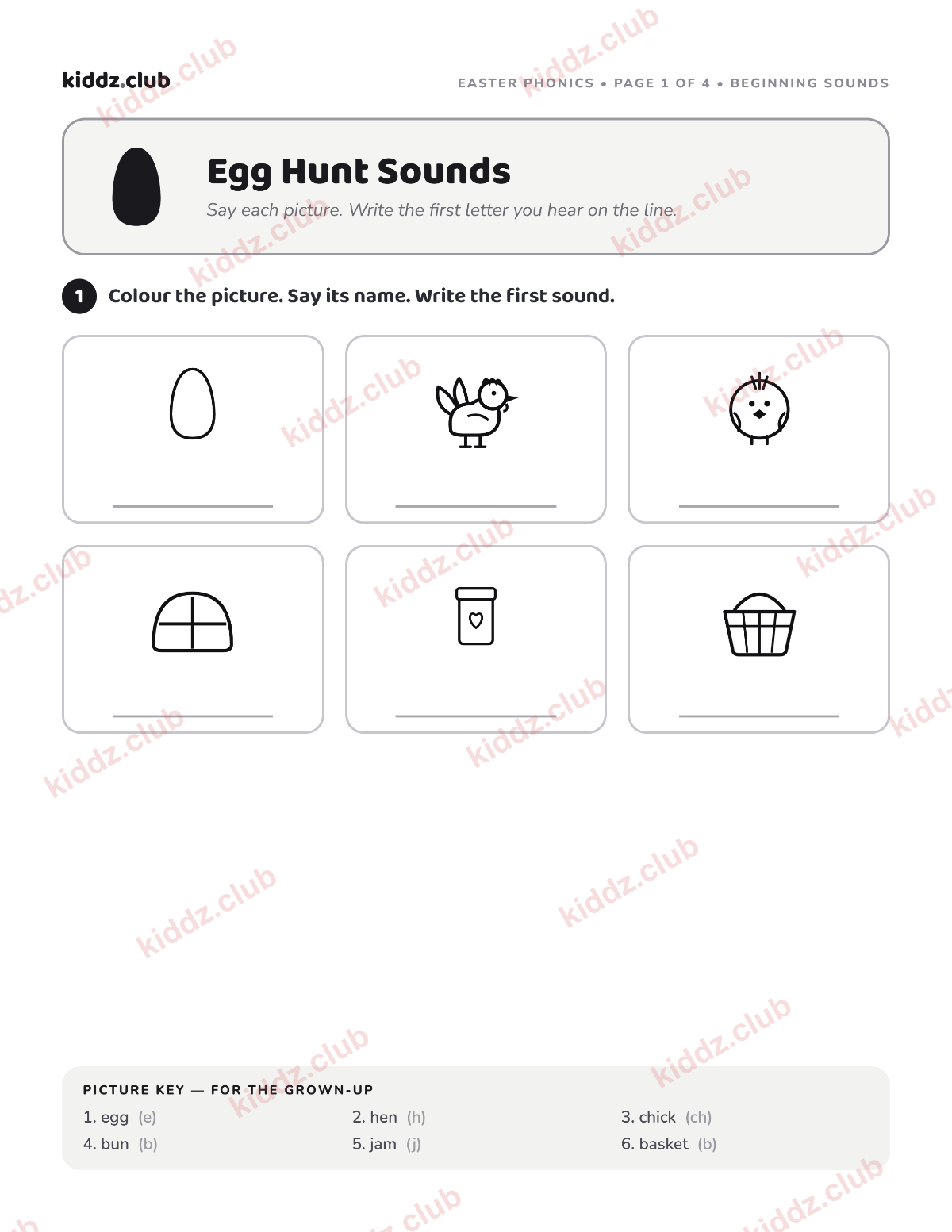
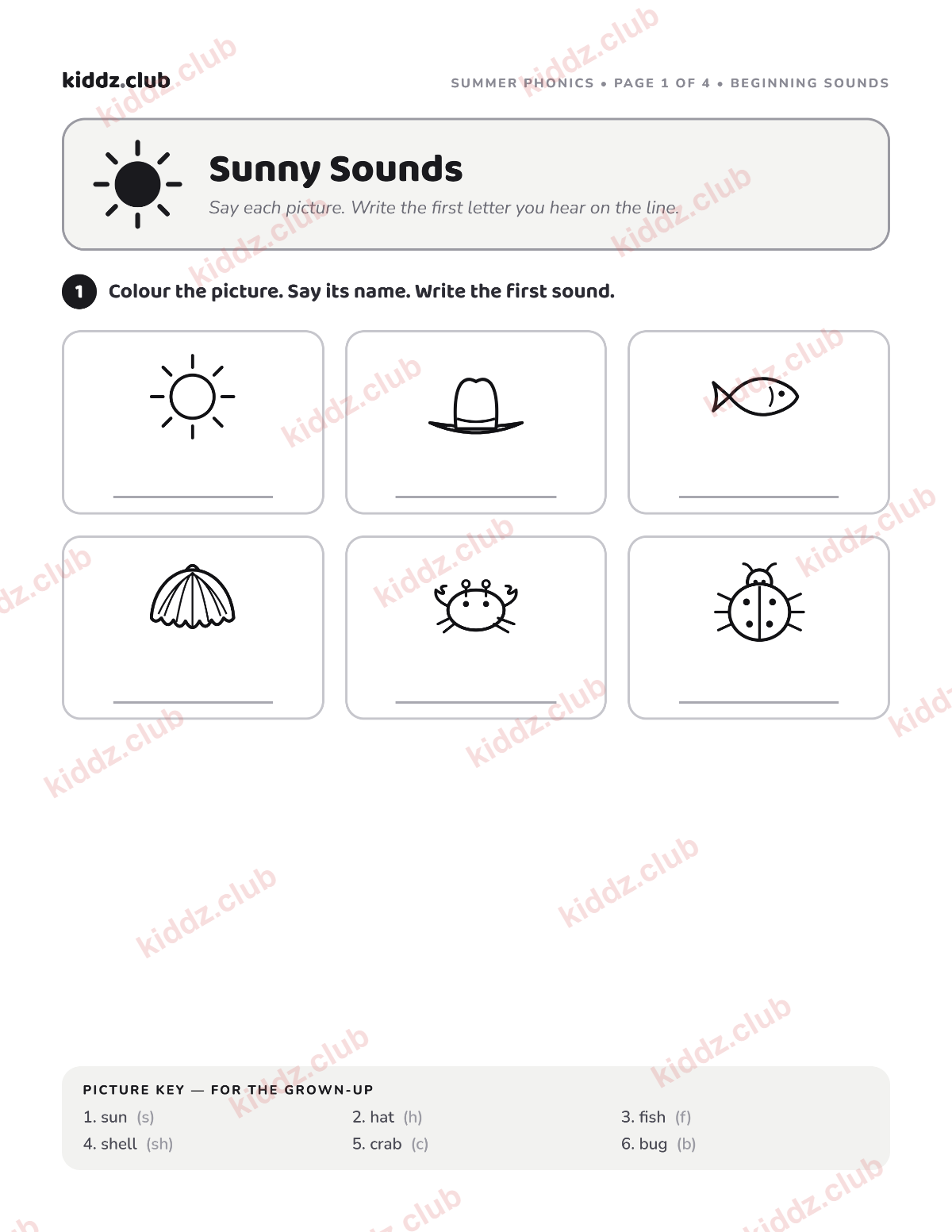
Big outline pictures to color


Fold-and-color mini-books


Every seasonal kit — Halloween, Thanksgiving, Christmas, Valentine's Day, Easter and summer — has its own outline flashcards and fold-and-color mini-book too; the pages above show the full set for each season, and the folding guide shows how the mini-books go together.
Color-in bubble letters
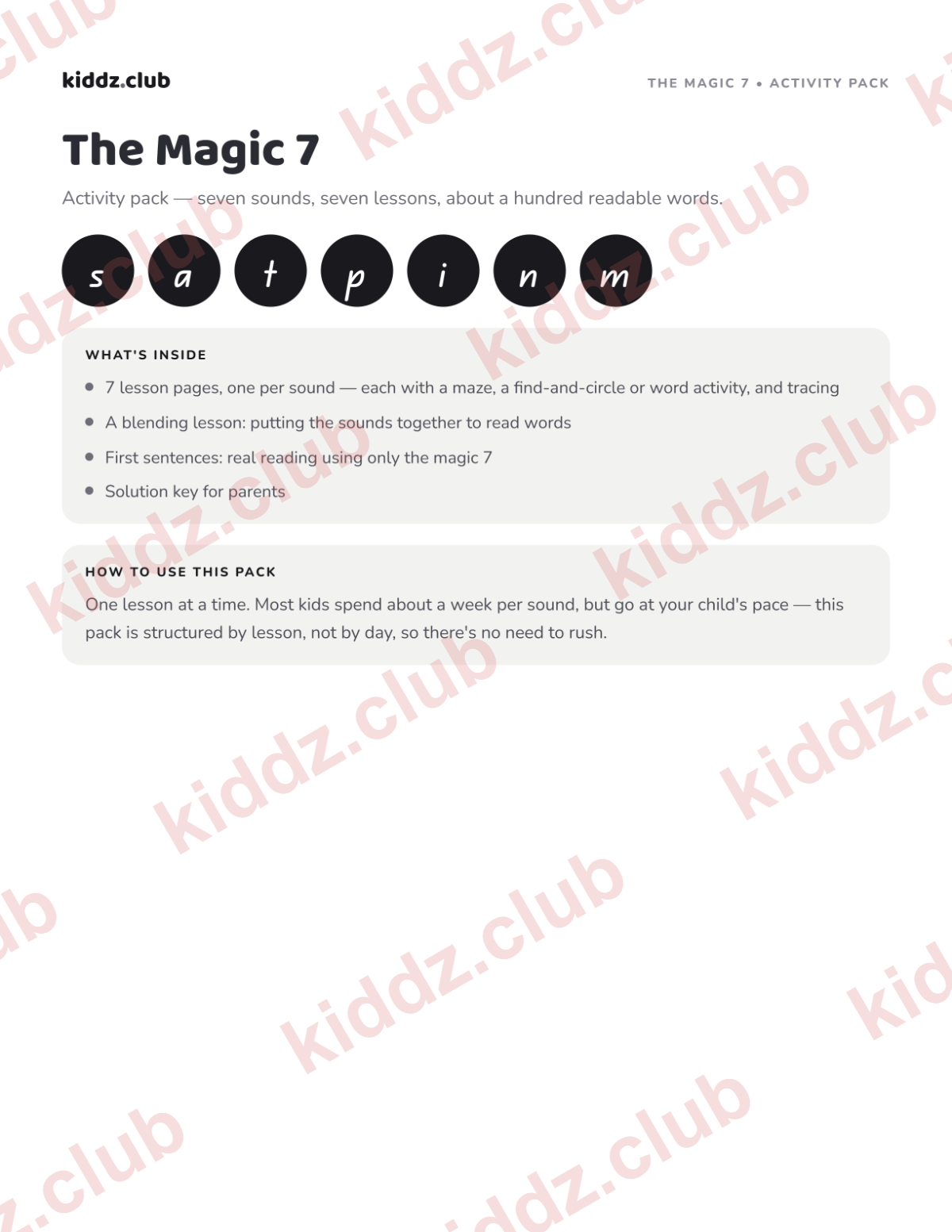
The Magic 7 Activity Pack — 13 pages covering the first seven phonics sounds (s, a, t, p, i, n, m). Each lesson opens with the letter drawn as a big hollow outline — a bubble letter your child traces a path through and colors in while saying the sound — plus small outline pictures to find, circle and color.
Best for: Ages 4-6.
Why phonics coloring works
There's a real reason coloring + phonics is more effective than either alone:
Coloring slows kids down. A child who's coloring is engaging for longer with each item on the page than they would on a quick worksheet. That extended engagement gives the sound-recognition more time to stick.
Coloring is calming. Kids who resist sit-down practice often happily color for twenty minutes. If the coloring page is also doing phonics work, the resistance disappears.
It's tactile and focused. Both hands are involved. Eyes track each picture. The kid notices small features they'd skim past on a regular worksheet.
It produces a finished thing. A colored page is a small accomplishment a kid wants to show off. That sense of completion drives them to want to do another one tomorrow.
The trick is making sure the coloring is doing the phonics work, not just decorating it. A coloring page where the kid just colors any picture they like isn't a phonics activity — it's a coloring activity with phonics decoration. The sheets that work best are the ones where the choice of color depends on the sound.
How to use phonics coloring worksheets
A few small things that make a real difference:
Say the sound aloud as the kid colors. When they're coloring the /s/ pictures, they should be saying "sun, sock, snake — /s/, /s/, /s/." That's where the phonics work happens. Silent coloring is just coloring.
Don't rush them. A phonics coloring sheet that takes 30 minutes is better than one that takes 5. The whole point is the sustained attention.
Use markers, crayons, or pencils — whatever's easiest to pick up. The barrier to start matters more than the medium.
Colored doesn't have to mean filled in. Outlines, dots, or quick scribbles in the right color all count. Don't make perfectionism the standard.
Talk about what they made when they're done. "What sound did you find five times?" The conversation reinforces the learning more than the worksheet did on its own.
When a coloring worksheet isn't the right format
A few cases where a regular worksheet (or no worksheet) works better:
Brand-new sounds. When a kid is meeting a sound for the very first time, coloring is too much. Start with the sound itself — listen, say it, look at the letter — before adding coloring as practice.
High-frustration moments. If a kid is already frustrated with phonics, switching to a coloring worksheet doesn't fix the underlying problem. Take a break instead.
Older kids who find coloring babyish. By age 7-8, many kids are over coloring as a format. Switch to mazes, word searches, or sentence-building activities.
Related printables
Beyond coloring, our other phonics printables — flashcards, word lists, sentences, sound mats — work well alongside coloring sheets. See the full library of free phonics worksheets.
The short vowel worksheets pair especially well with coloring sheets — each one covers a single vowel (a, e, i, o, u) with a find-and-circle activity that works nicely as a color-the-matching-pictures exercise. Start with the short a worksheet and work through the set.
For children ready for digraphs, the consonant digraph worksheets cover sh, ch, th, and ng — word-focused practice for after the coloring stage.
If you're working with preschoolers (ages 3-4), the preschool phonics worksheets hub starts with the listening games that come before any pencil work. For kindergarten-age kids, the kindergarten phonics worksheets hub collects everything for ages 4-6 in one place.
Articles you might find useful
A few parent-facing articles about how this fits into early reading:
- How to teach phonics at home (without making it feel like school)
- The 5-minute reading routine that actually sticks
- How to read with a kid who hates reading
Get the Phonics Fun Bundle by email
Pop your email in and we'll send our Phonics Fun Bundle — reading bingo, the Magic 7 flashcards, and the letter b, c, and d sheets, ready to print.
No spam, ever. Your printables arrive either way.
Want the entire printables library?
Kiddz.club members can download every printable on the site as one zip — plus full access to the Picture This! reading program. Start with a free 7-day trial.
Common questions
What's the difference between a coloring worksheet and a regular phonics worksheet?
A coloring worksheet uses coloring as the main interaction — the kid identifies a sound and colors the matching pictures or letters. A regular worksheet uses writing, circling, or drawing lines instead. Both can be effective; coloring tends to hold a young child's attention longer.
What age are phonics coloring worksheets for?
Most are designed for ages 4 to 7. Earlier than 4, kids tend to color randomly without engaging with the phonics. Later than 7, coloring usually feels too young.
Are phonics coloring worksheets a substitute for real phonics teaching?
No. They're a practice format — useful for reinforcing sounds a child has already been introduced to, not for teaching brand-new ones. The teaching itself happens through showing the letter, saying the sound, and modeling blending. Coloring sheets are what you do after that, to make the learning stick.
Do these work for kids with dyslexia?
The phonics coloring approach is compatible with the multi-sensory teaching used in Orton-Gillingham programs (which are recommended for dyslexic learners). The combination of visual recognition, sound production, and tactile coloring engages multiple senses at once. They're not a substitute for professional support if dyslexia is suspected, but they pair well with it.
Are these coloring pages free?
Yes. Every PDF on this page is free for personal, classroom, and tutor use. Print as many copies as you need.
Can I print these in black and white?
Yes — they're designed for it. All the artwork is black outline line art with no color fills, so a plain black-and-white printer produces exactly what the designer intended, and your child adds the color.
Do I need special pencils or markers?
No. Crayons, colored pencils, or washable markers all work — use whatever your child picks up most willingly. The line art prints on ordinary paper, so nothing bleeds through worth worrying about.
Is this the same as phonics colouring sheets?
Yes — colouring is simply the British and Australian spelling of coloring. Same worksheets, same sounds; several of the sheets themselves use the British spelling in their instructions.
Ready for More Than Worksheets?
Picture This! teaches visualization step-by-step so children can genuinely understand—and enjoy—what they read.