Alphabet phonics worksheets — free printables for every letter A to Z
Free, printable phonics worksheets covering every letter of the alphabet. Each letter has its own worksheet (or is included in the Magic 7 Activity Pack) with focused practice on that letter's sound, reading words, and lowercase + uppercase tracing.
These are the foundation of any phonics journey. By the time a child has worked through the alphabet, they can decode hundreds of three- and four-letter words.
The full alphabet — 26 letters
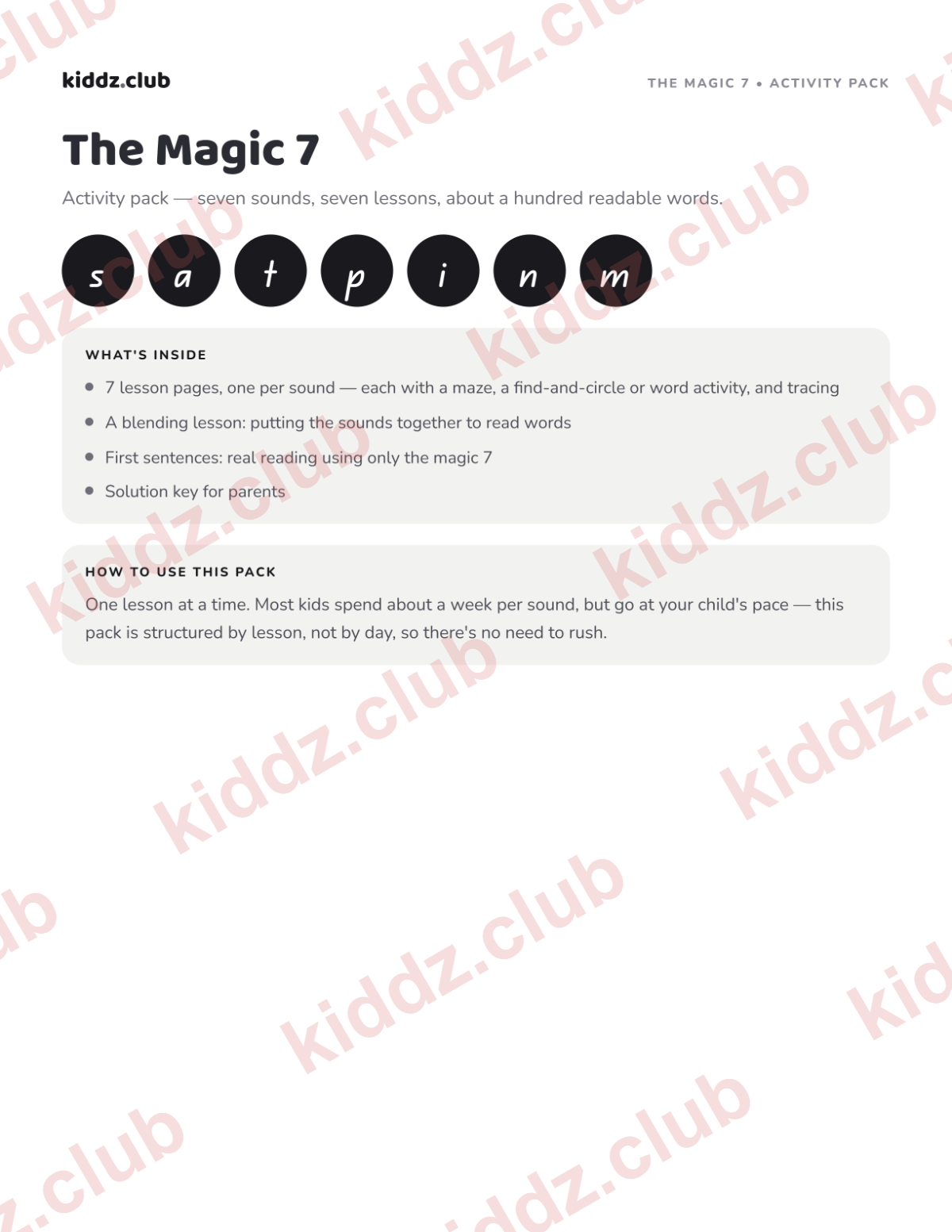
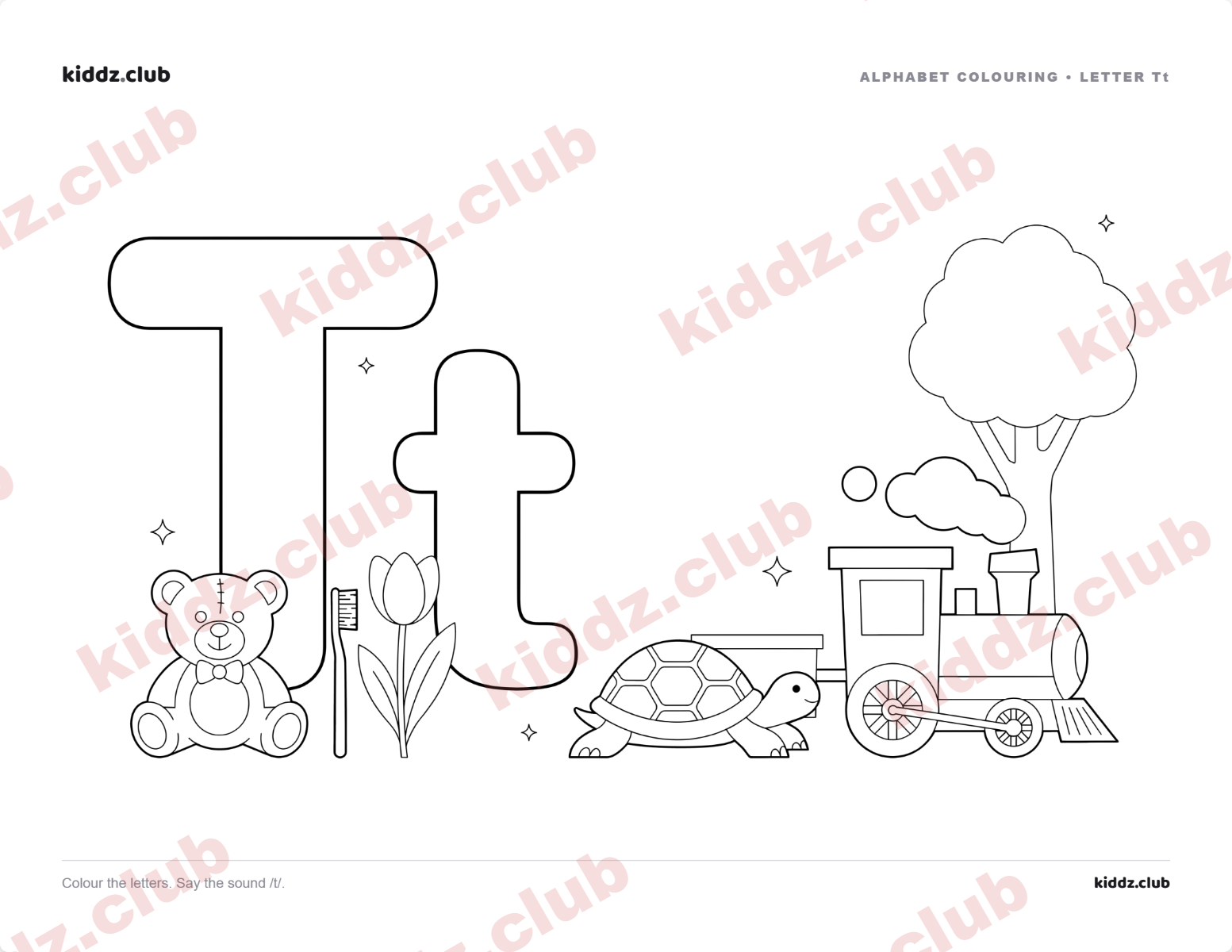
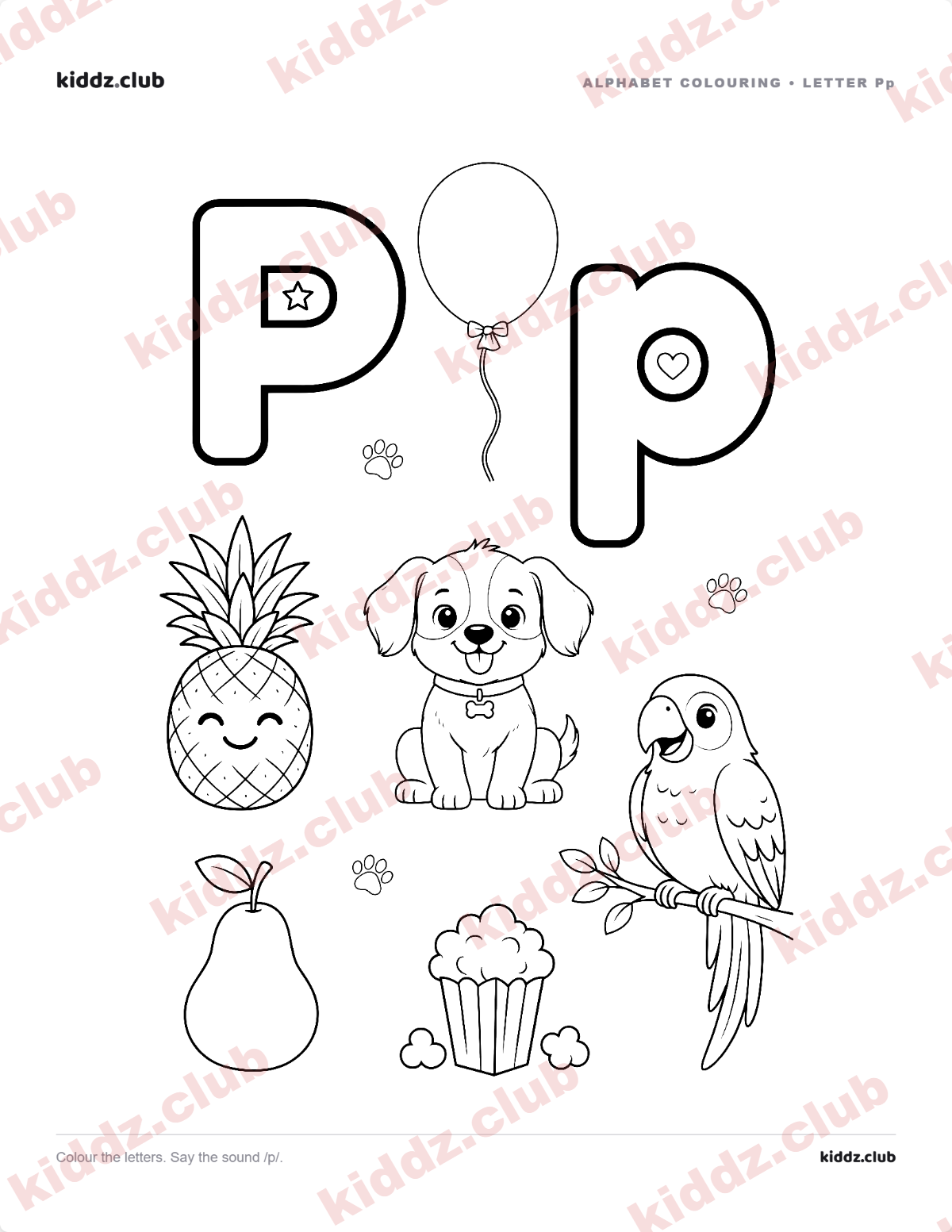
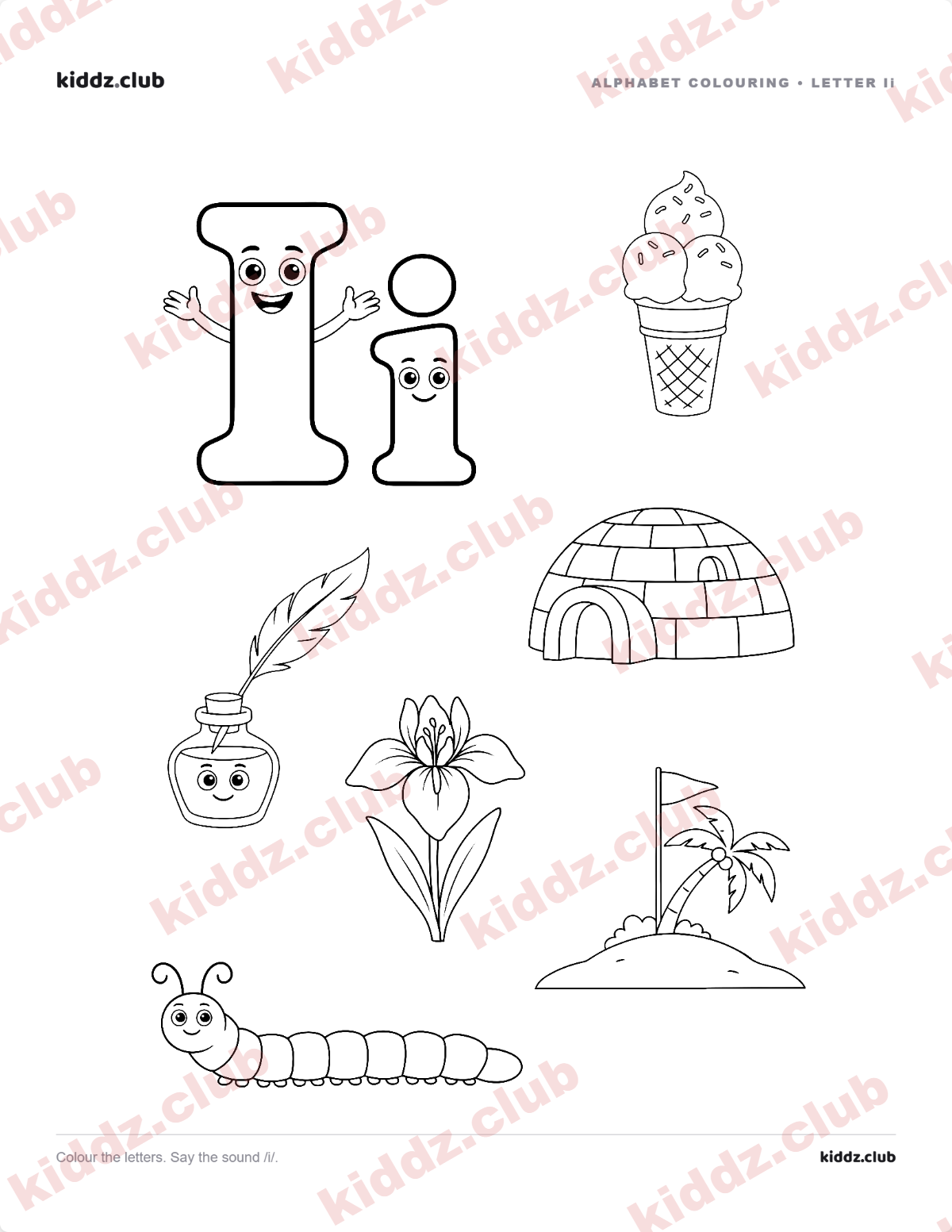
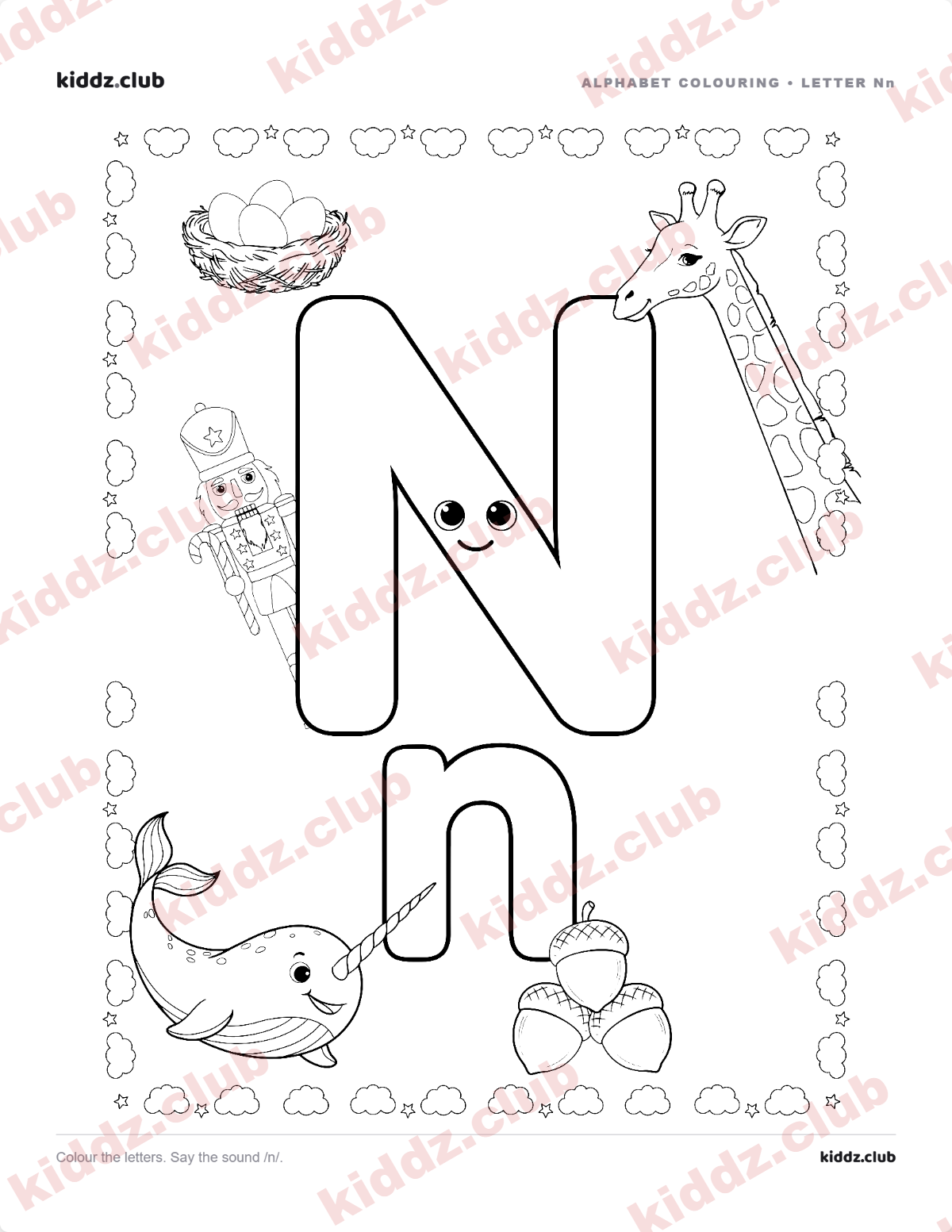
The Magic 7 (s, a, t, p, i, n, m) — the foundational seven
These seven letters are the right place to start. Together they unlock dozens of readable words (sat, pin, tap, man, sit, map, nap). Most modern phonics programs teach this set first.
Covered in the Magic 7 Activity Pack — a single 13-page PDF with one lesson page per sound, plus blending and sentences.
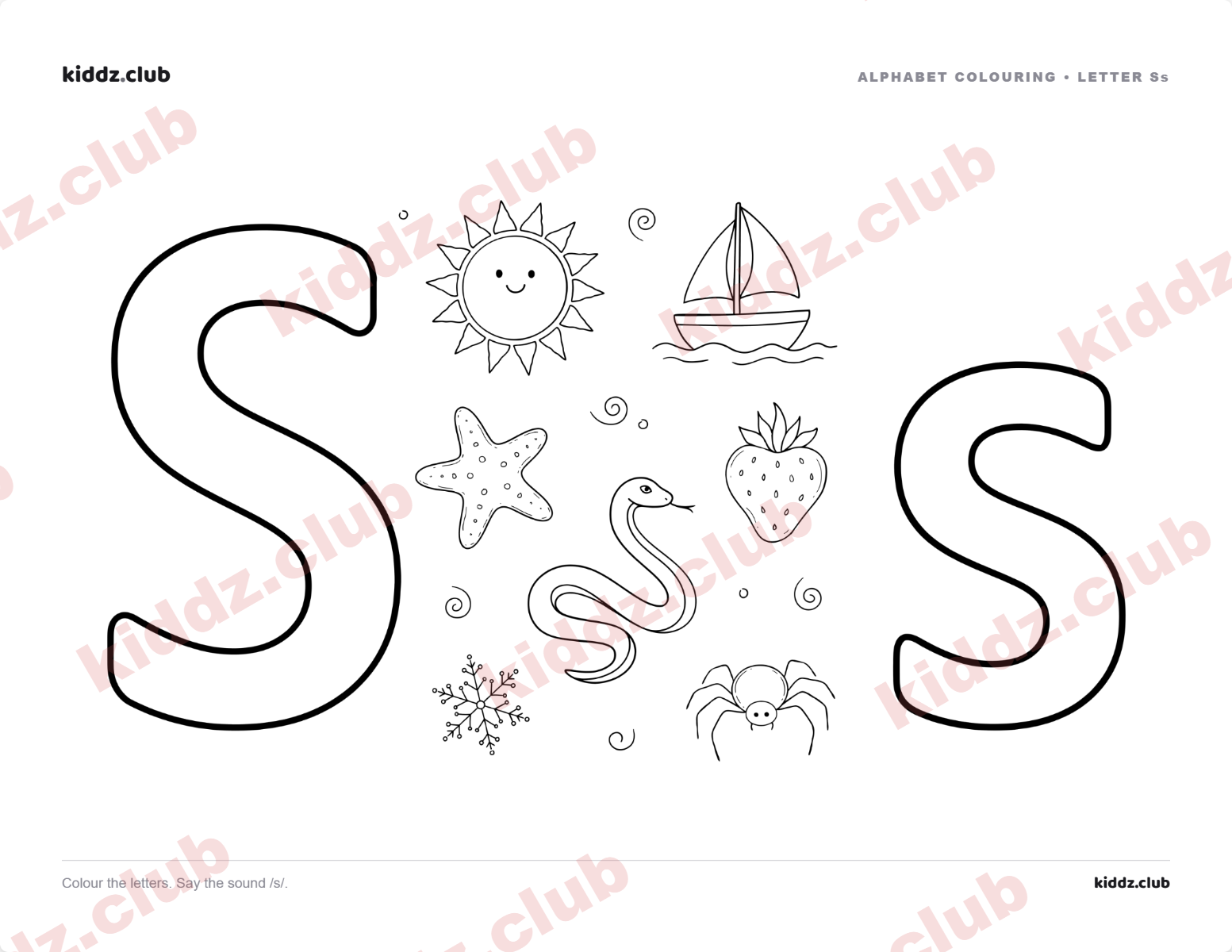
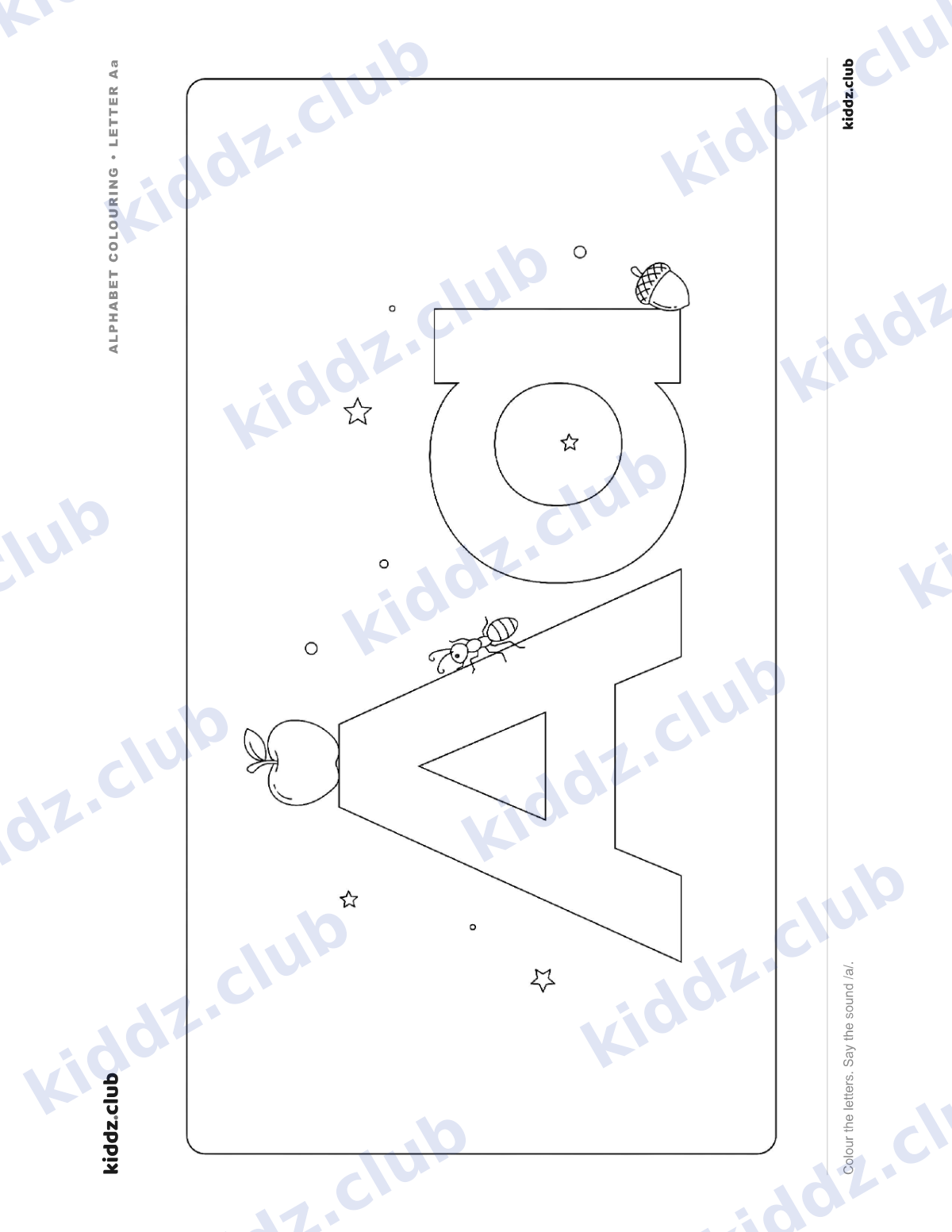
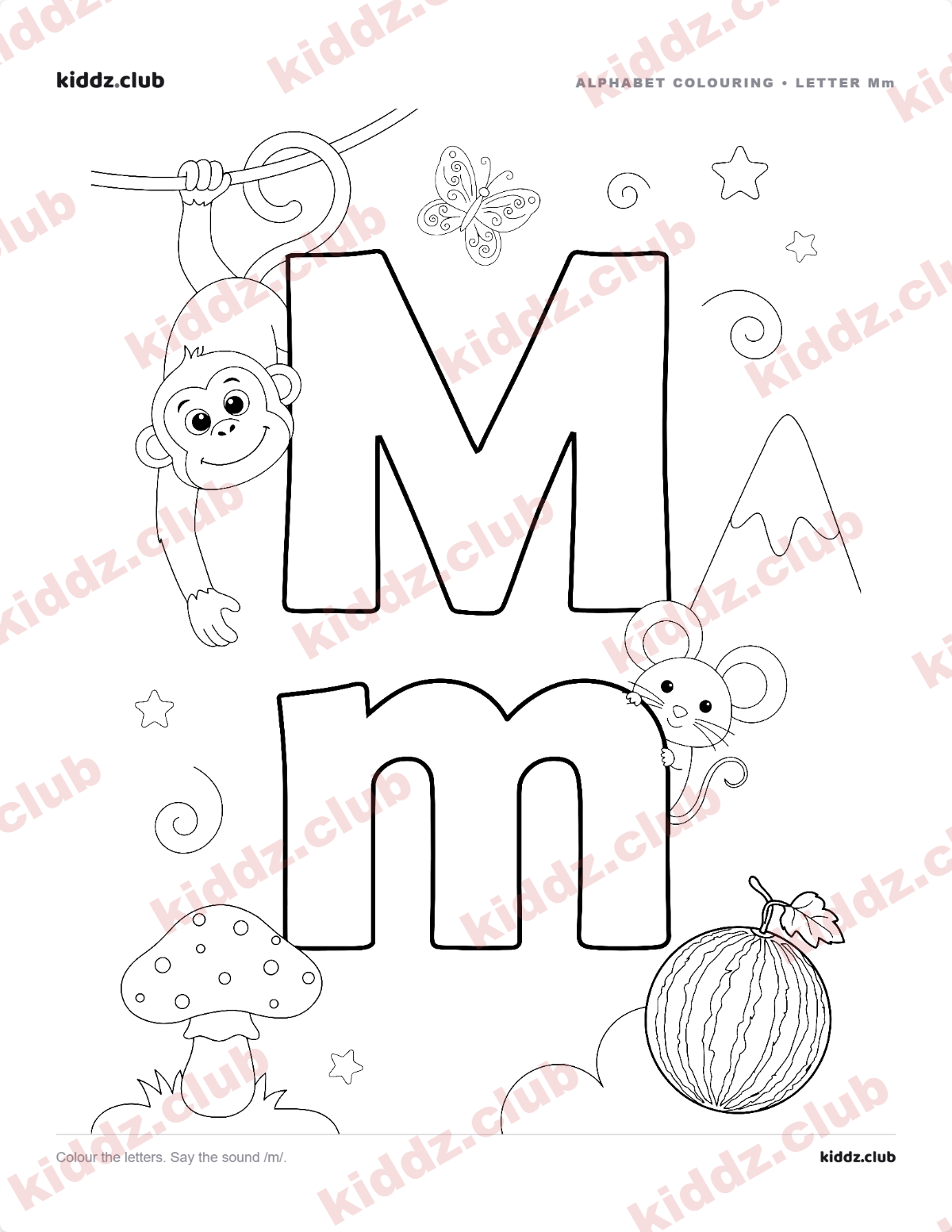
Plus, an individual letter page for the most-searched letter:
Phase 2 second-set letters
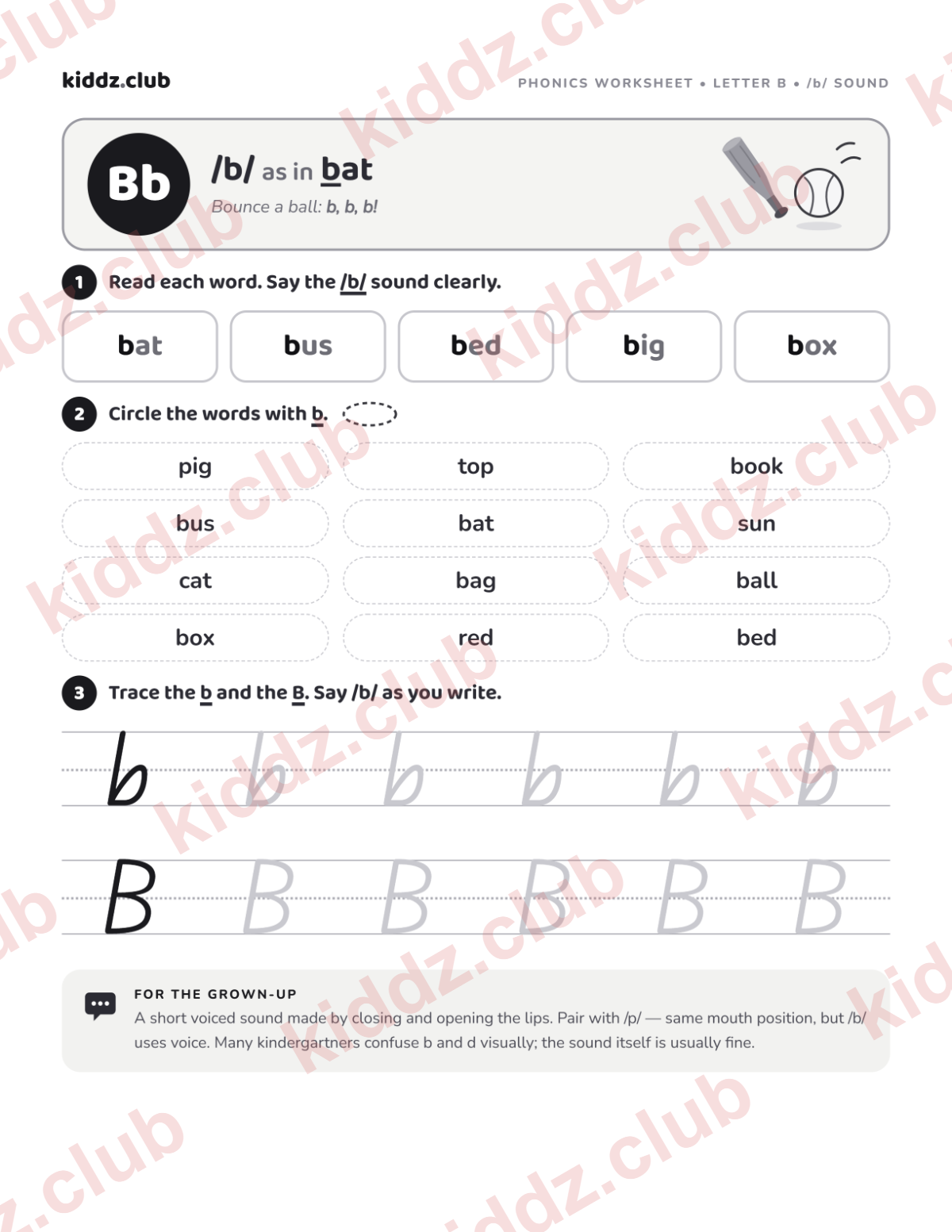
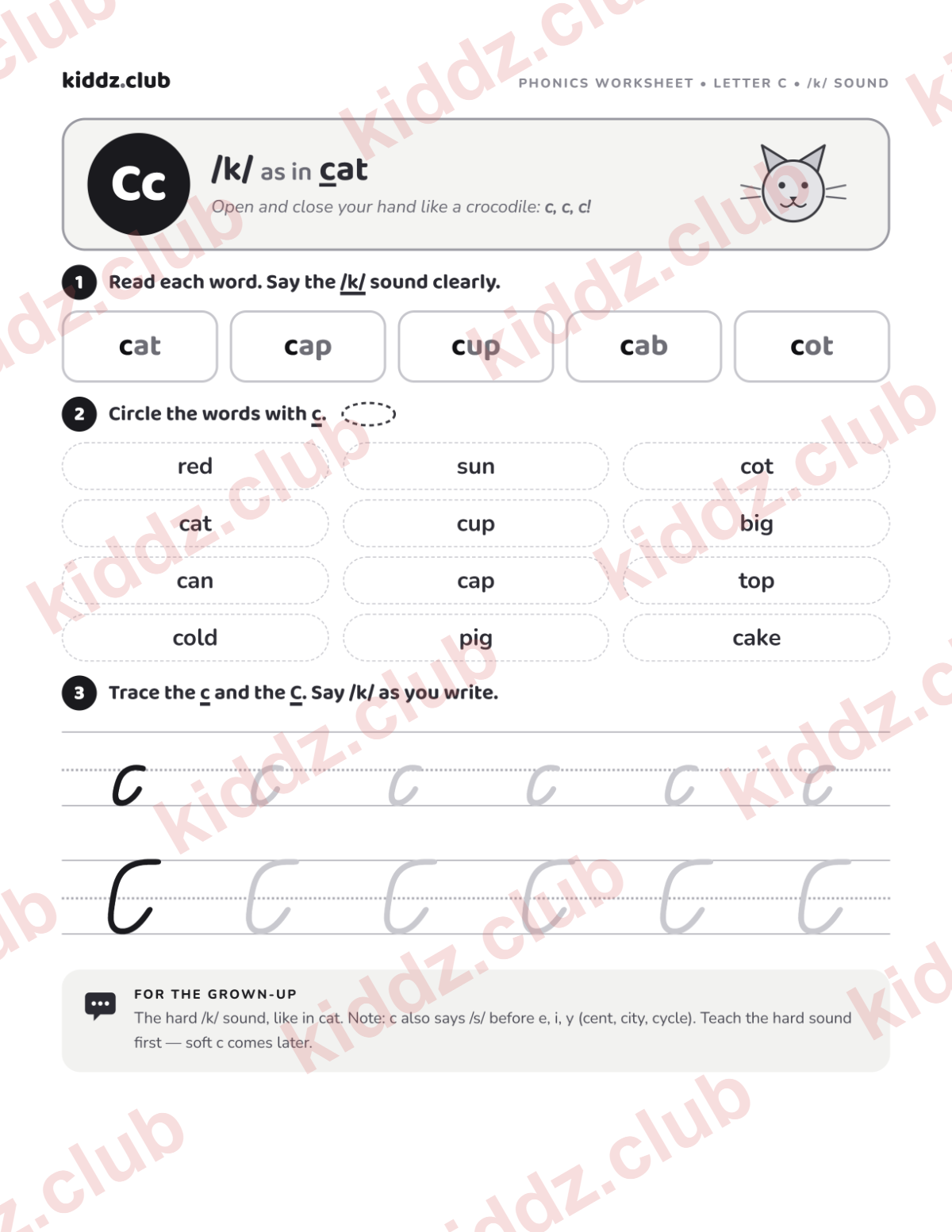
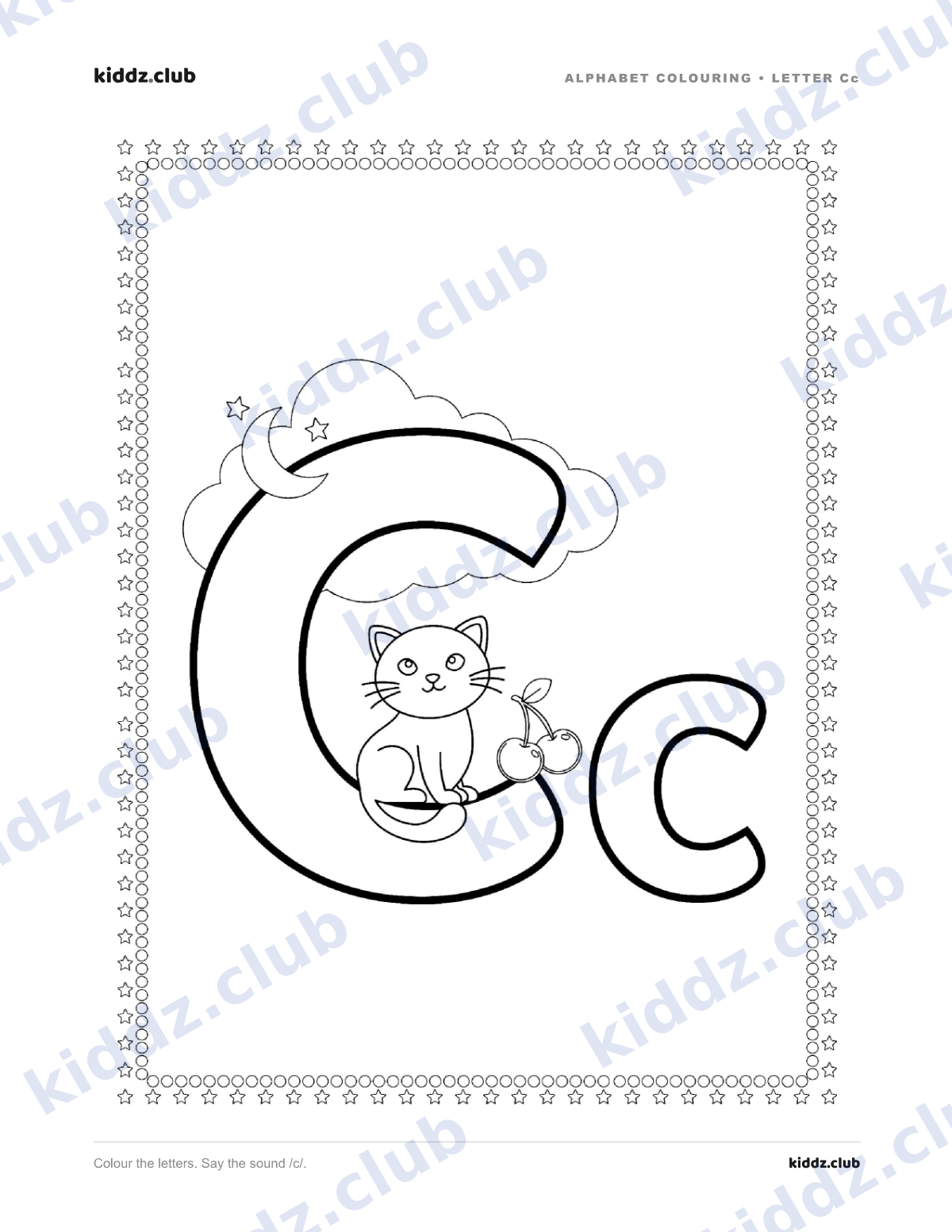
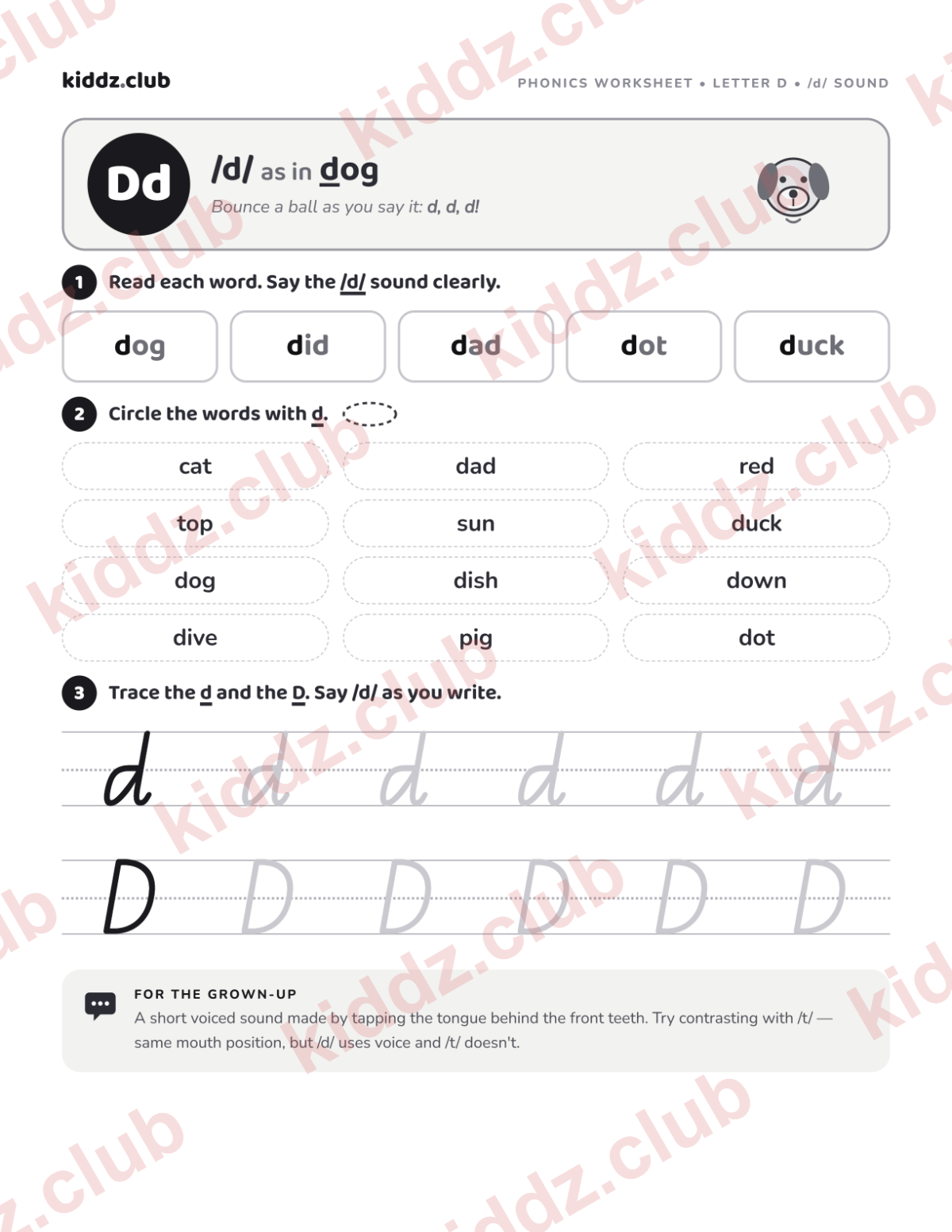
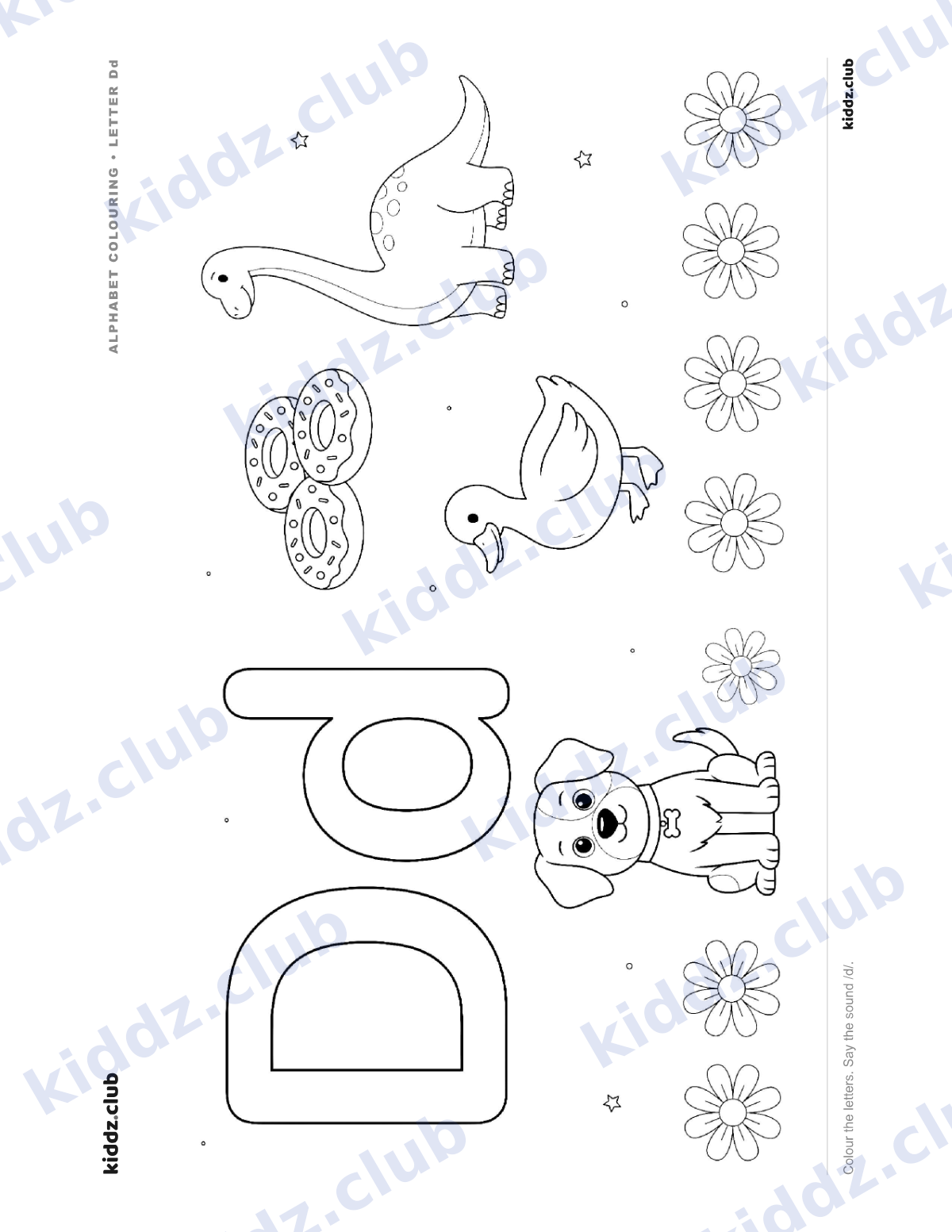
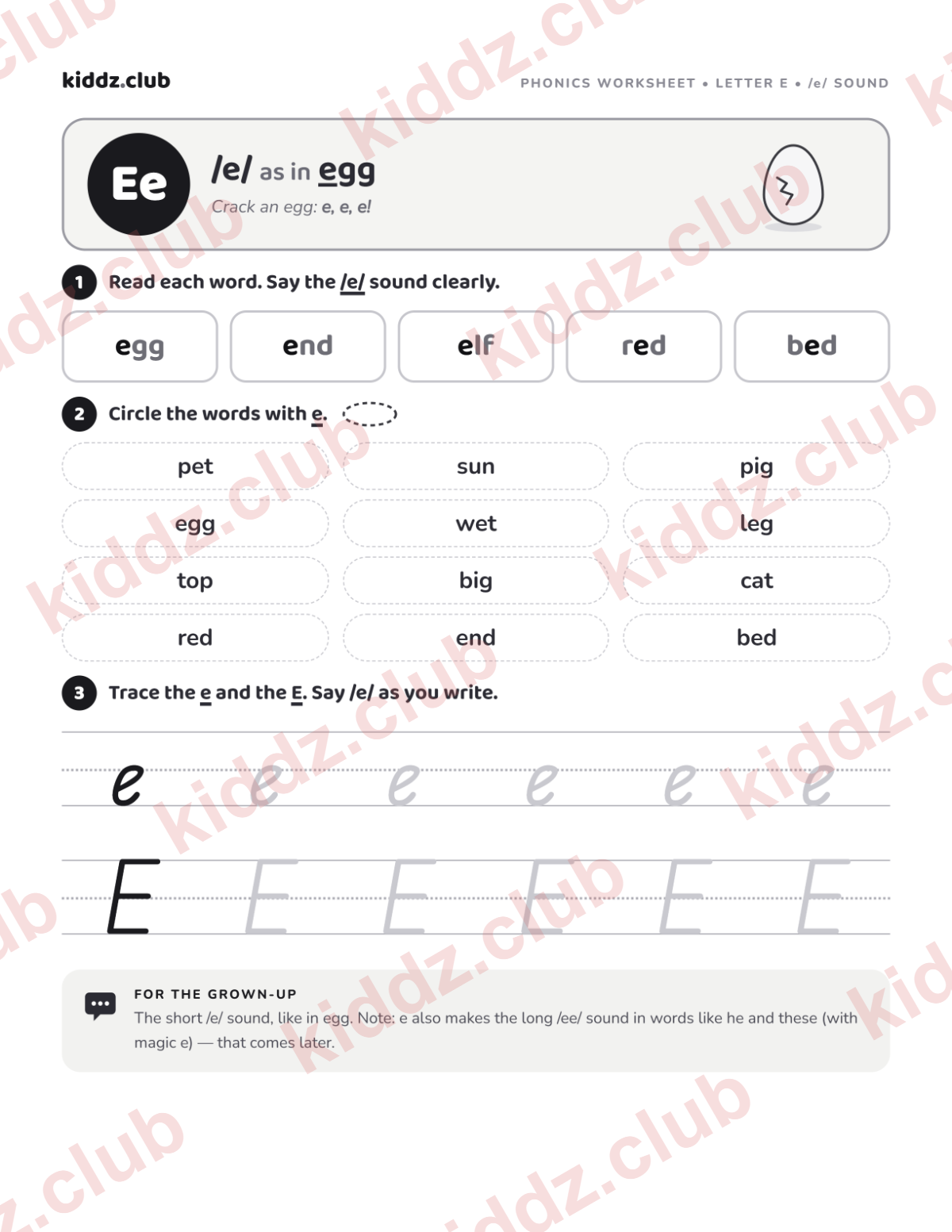
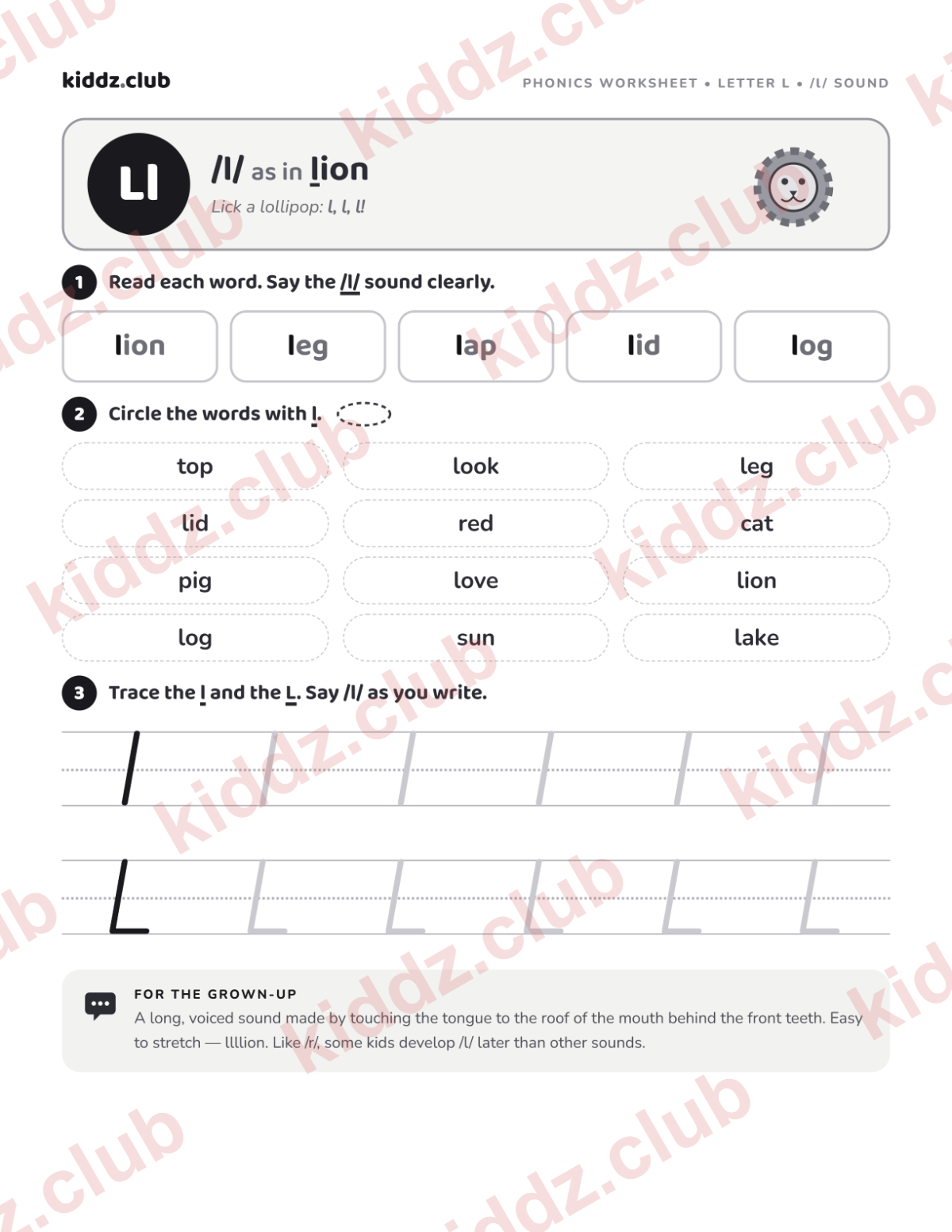
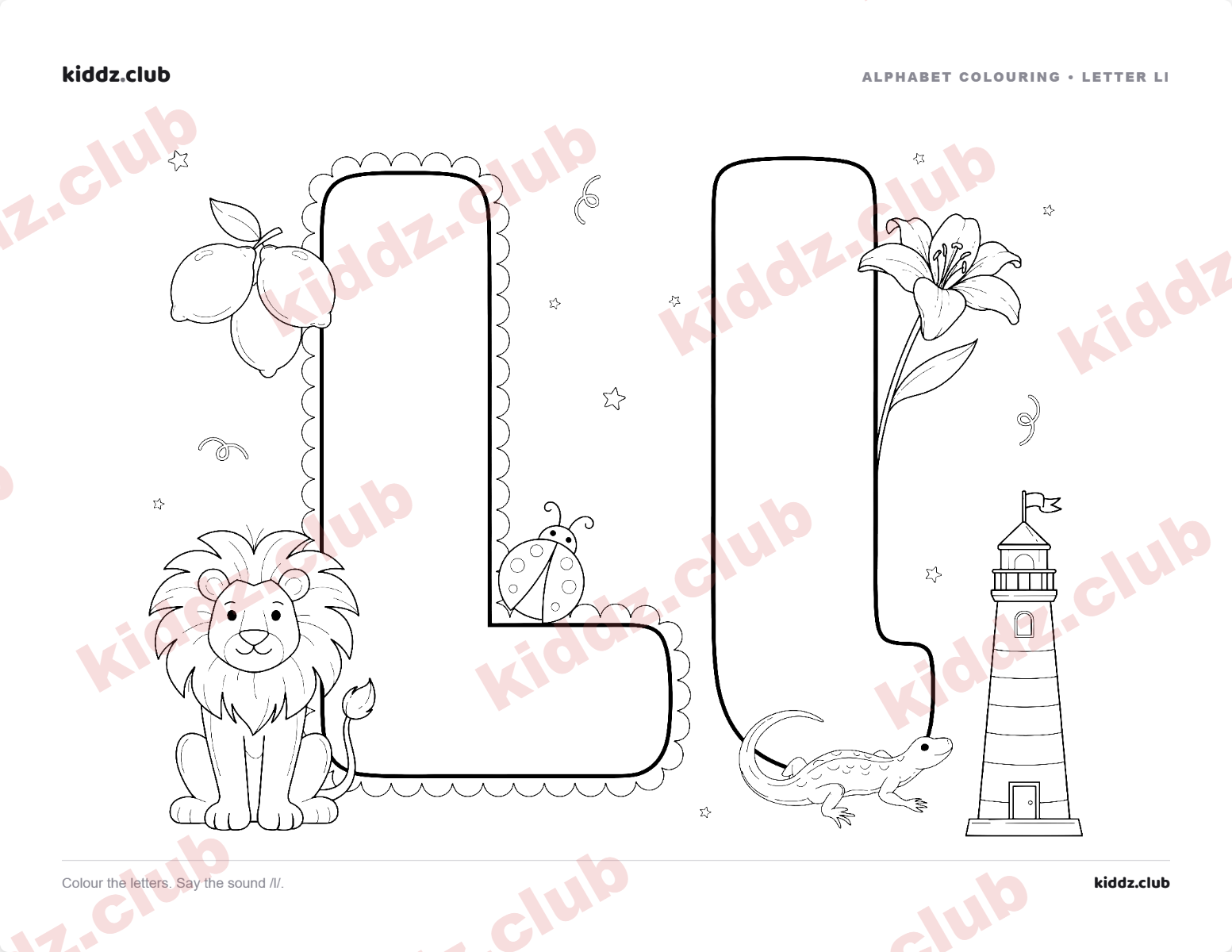
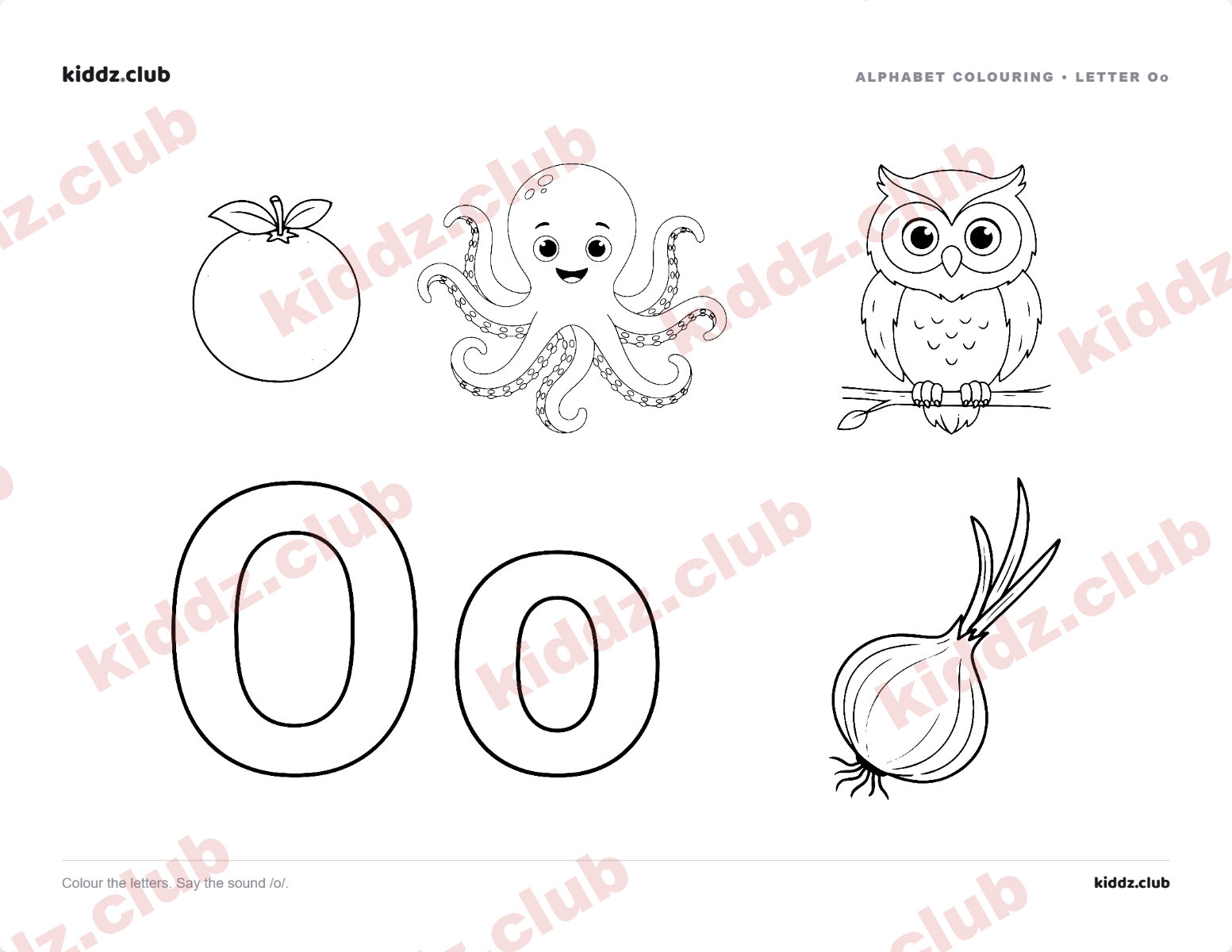
After the Magic 7, most programs introduce these letters. Each has its own single-page worksheet with reading, find-and-circle, and tracing activities.
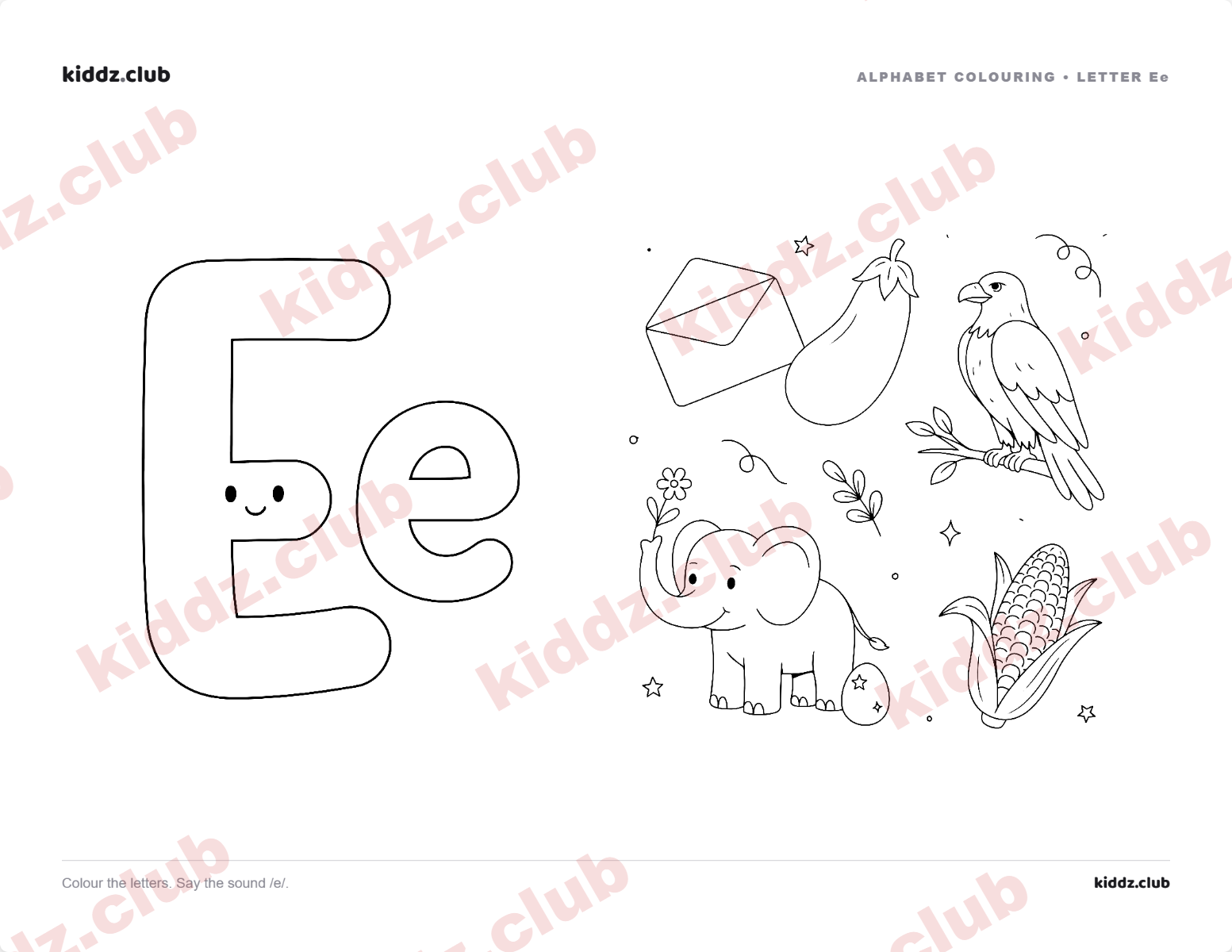
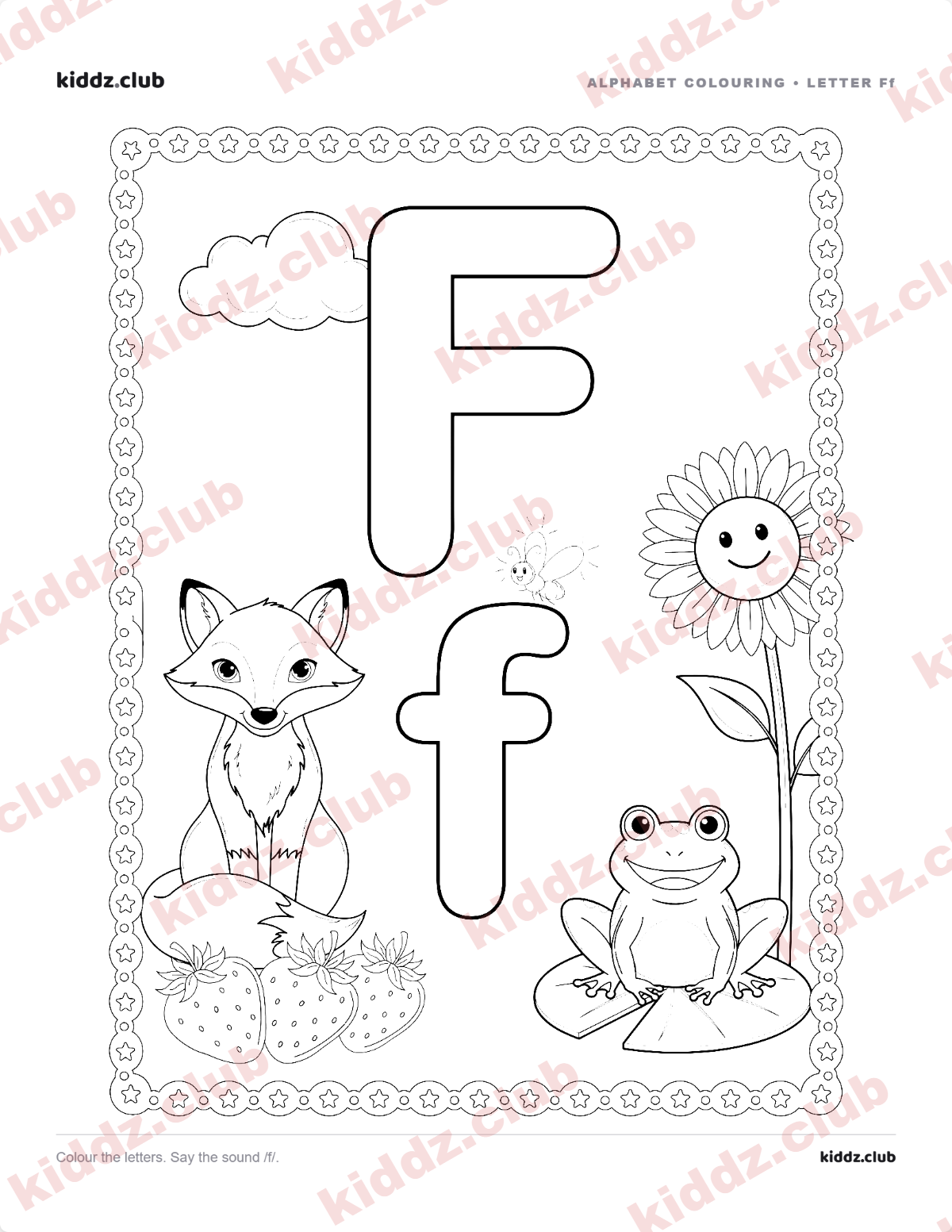
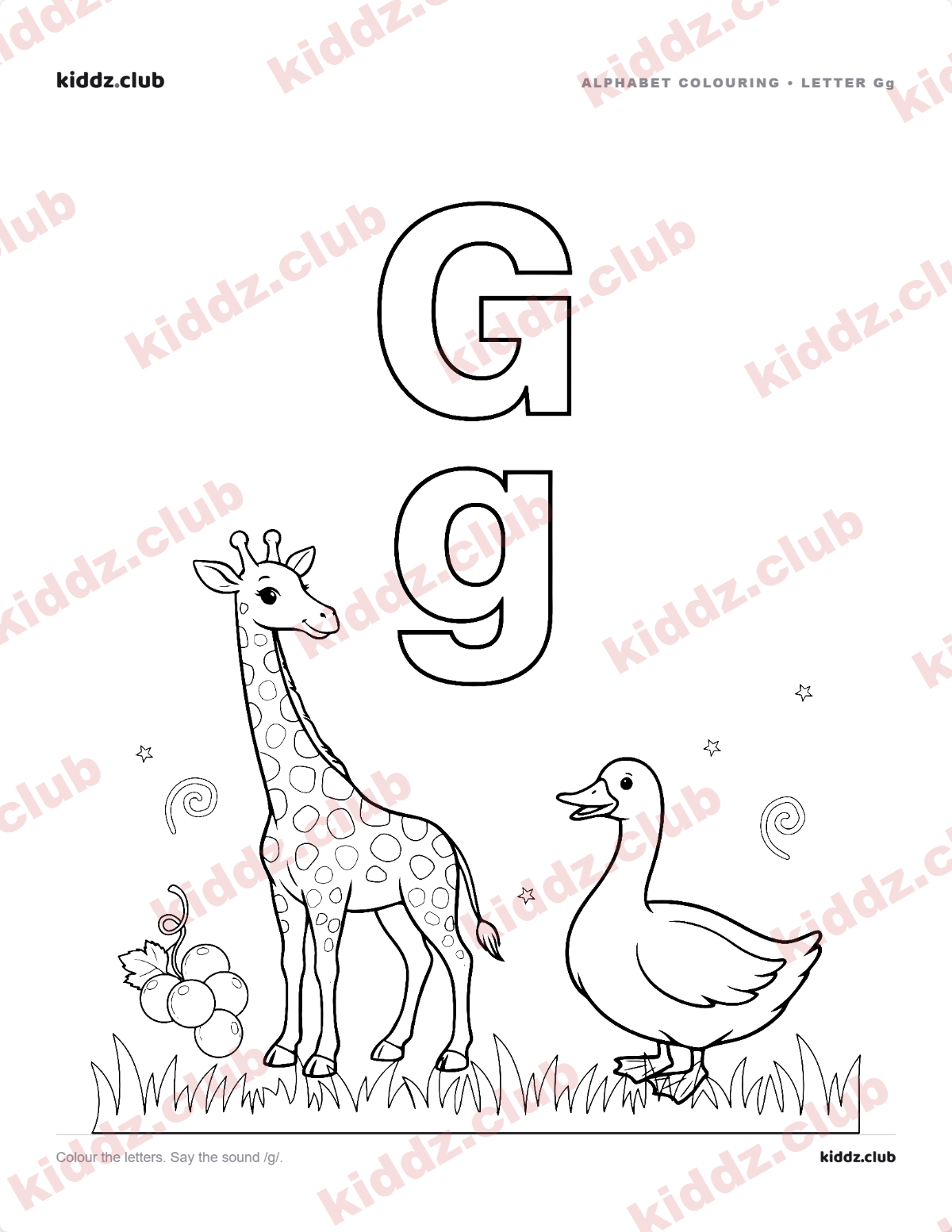
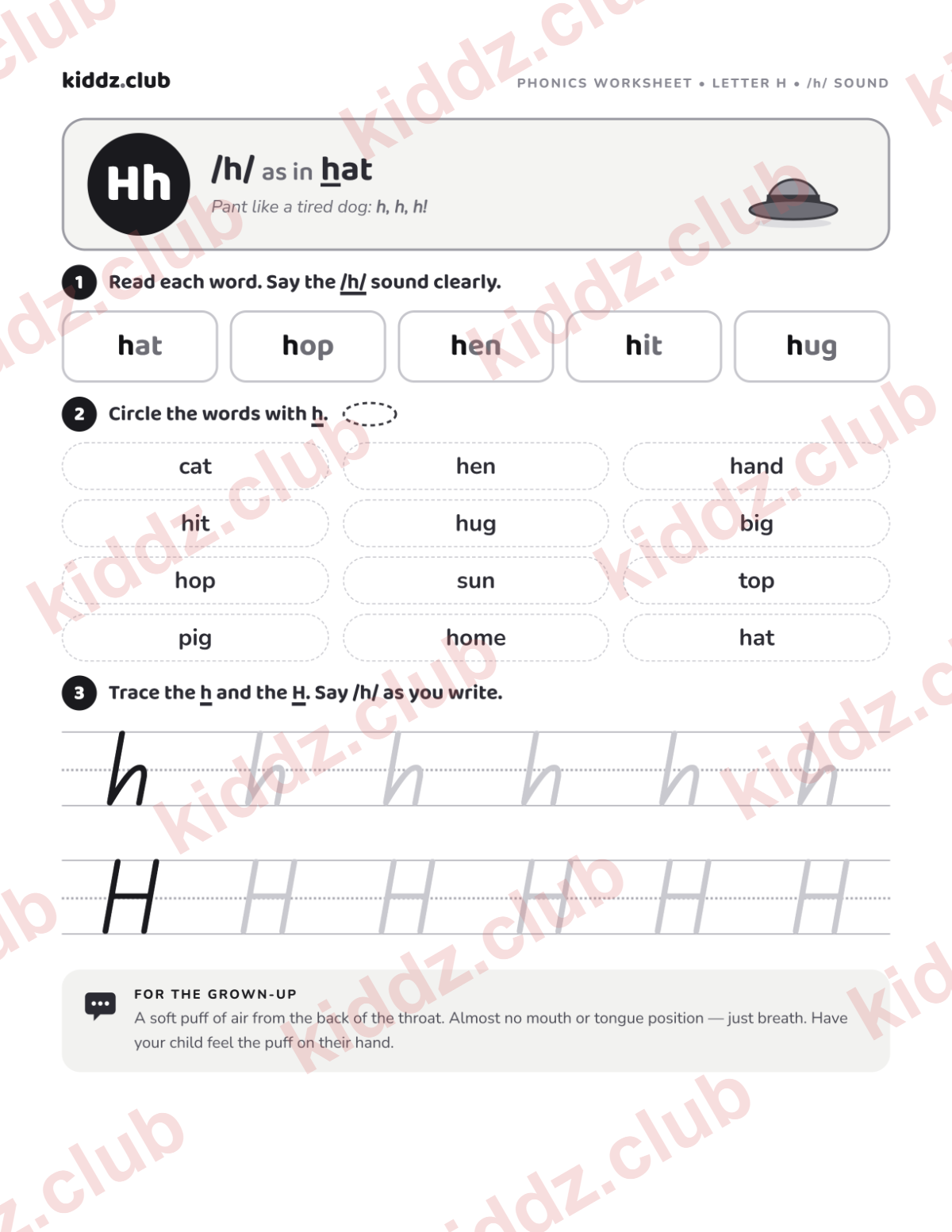
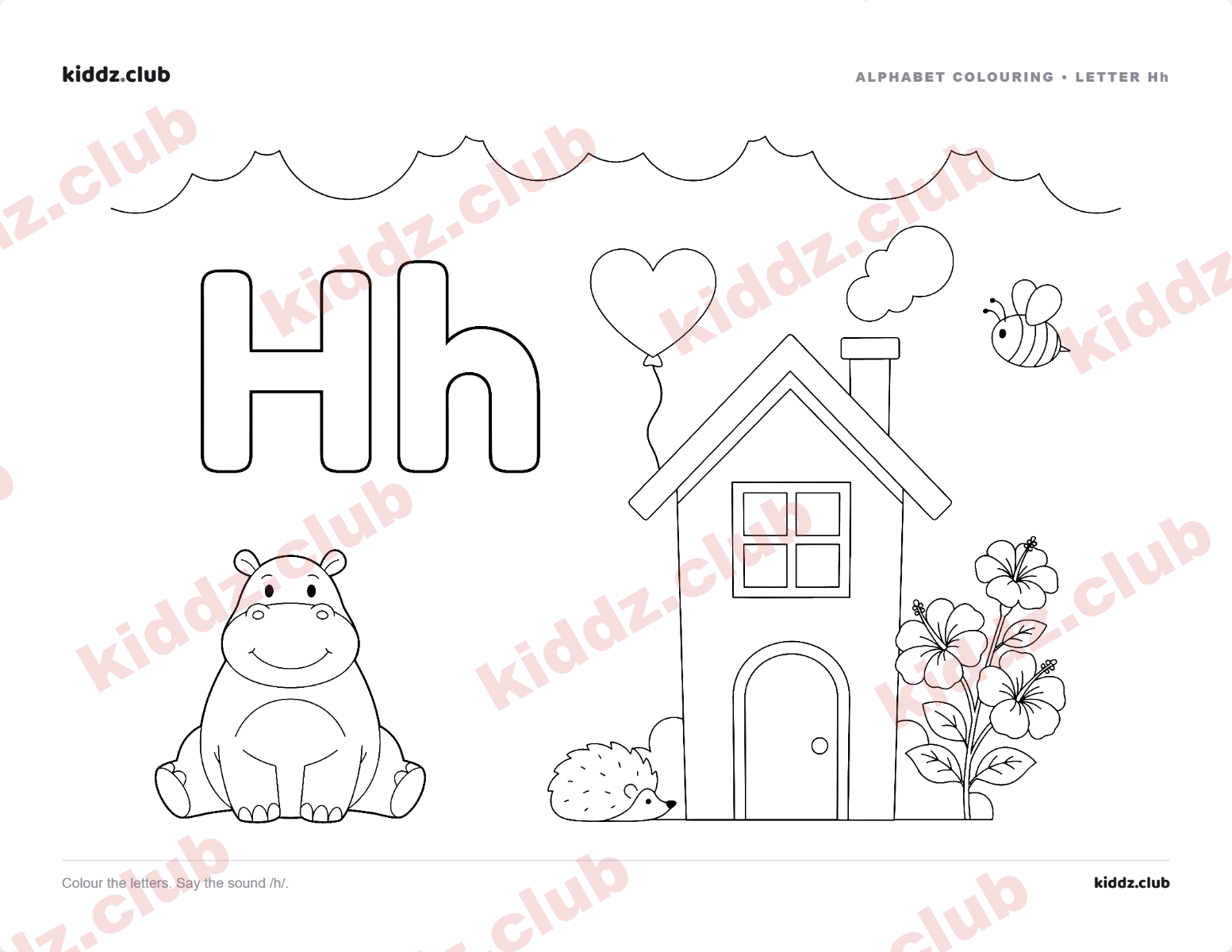
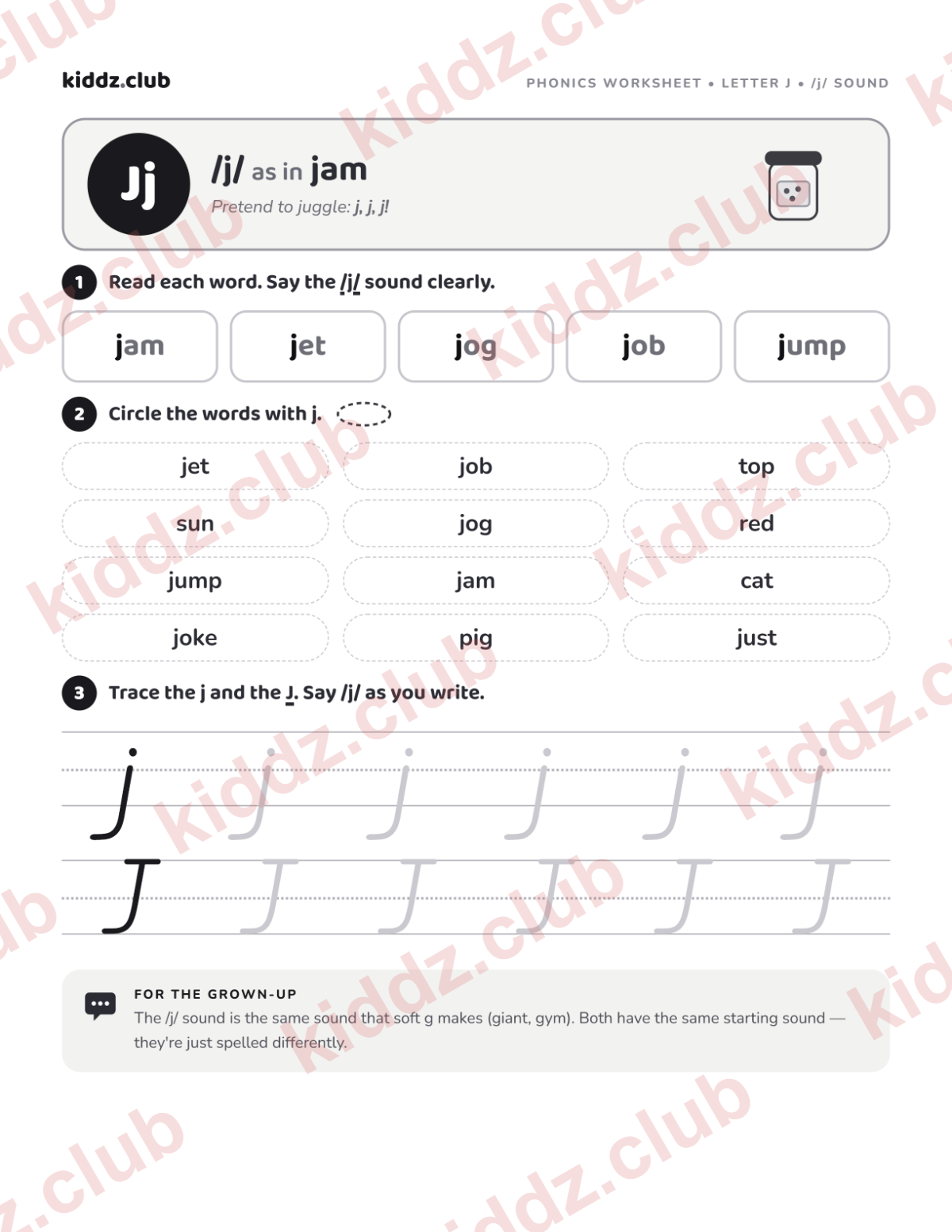
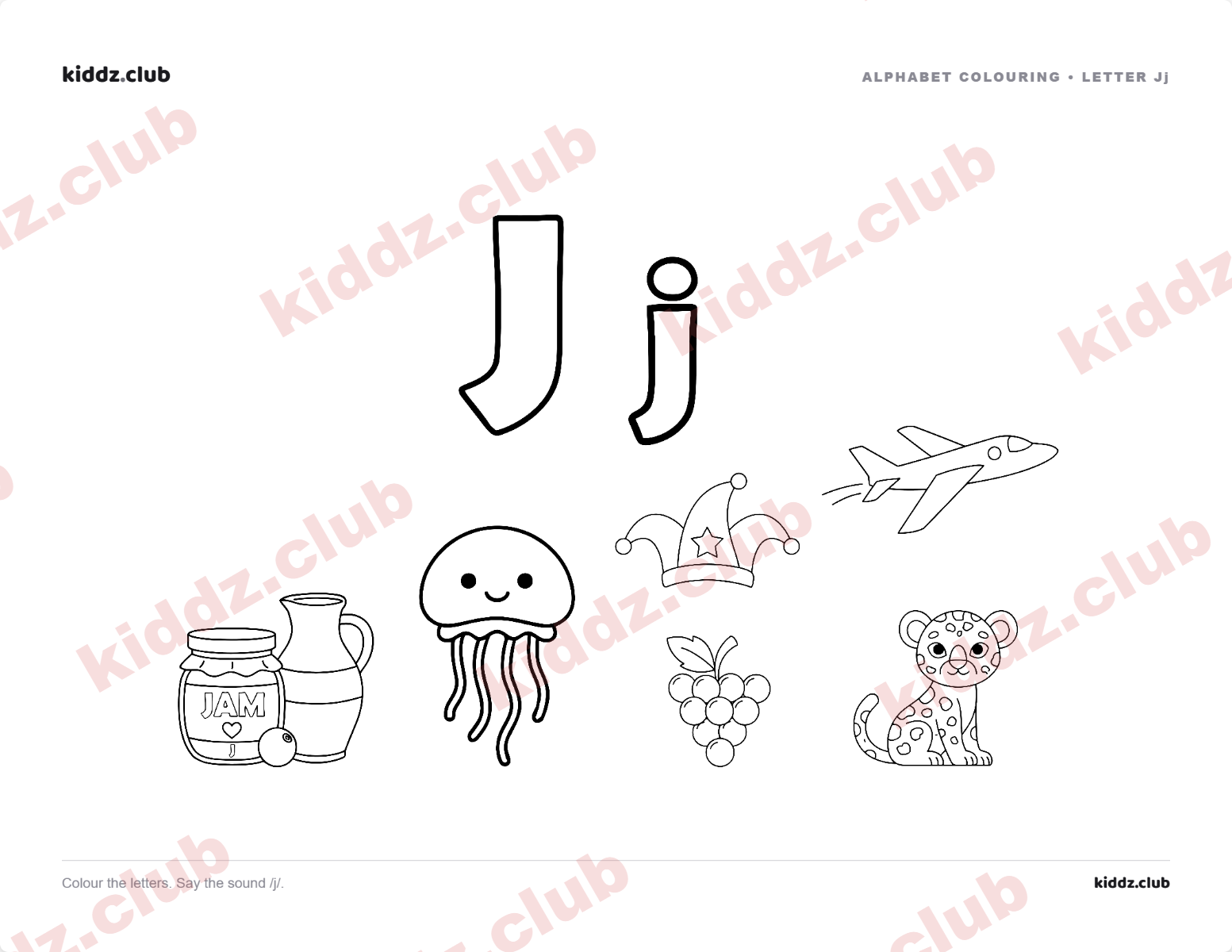
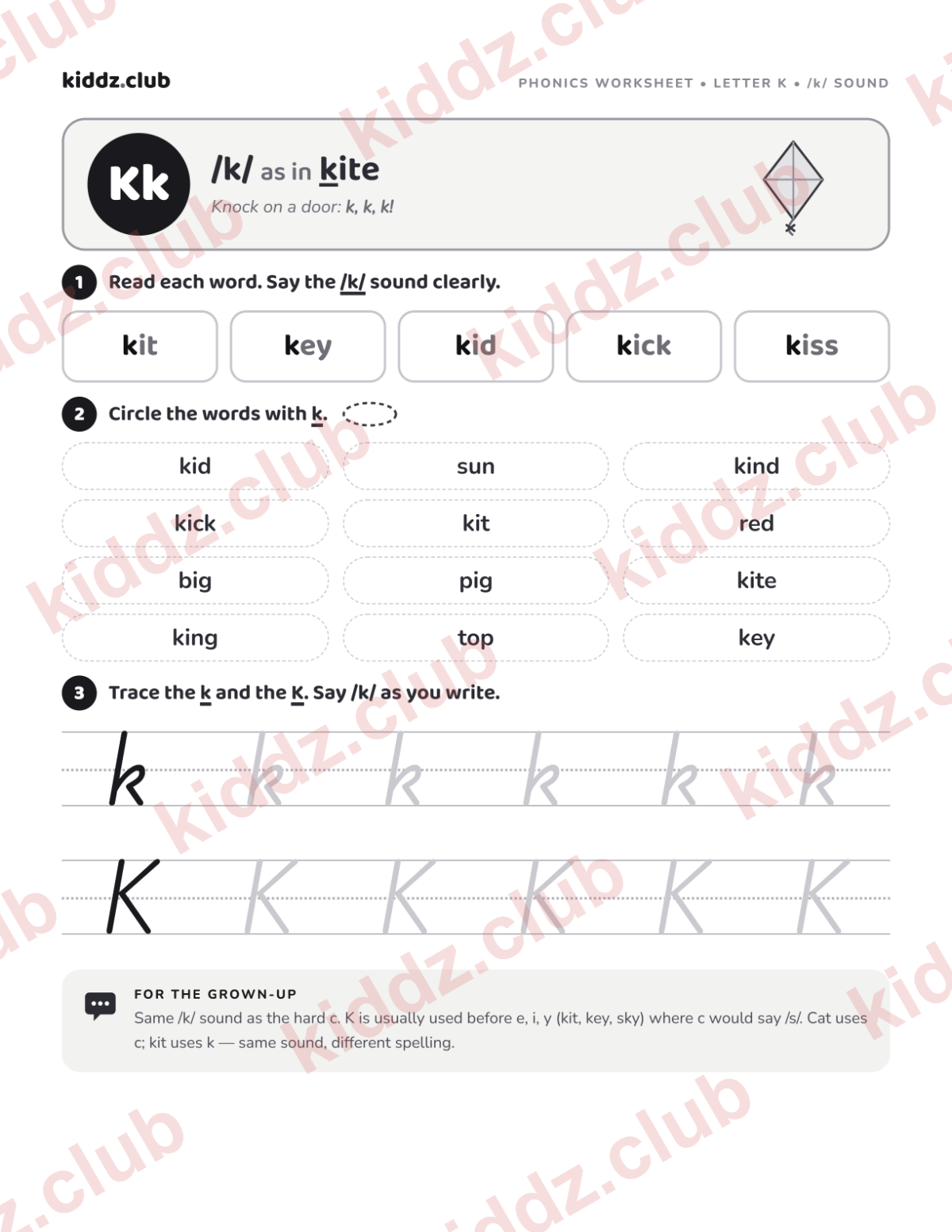
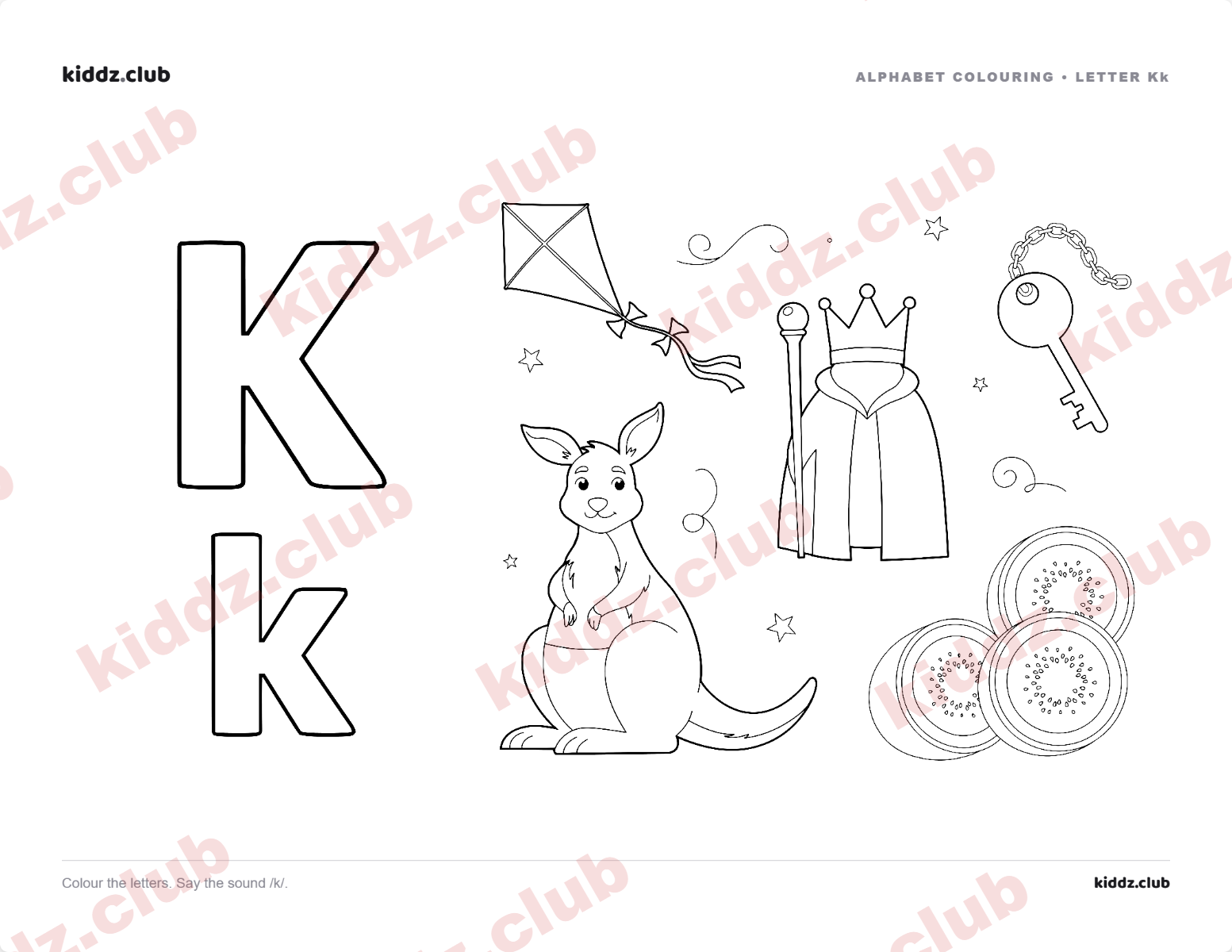
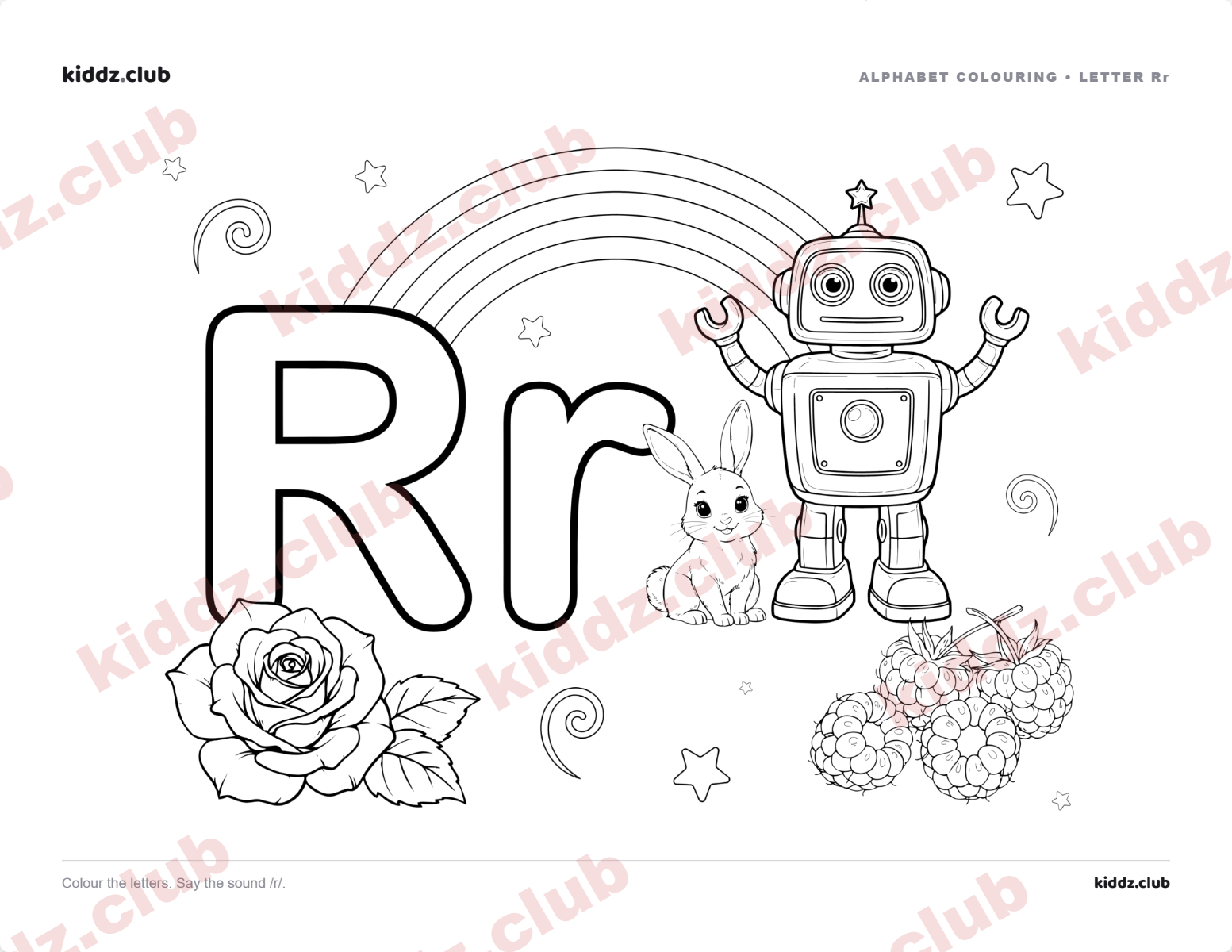
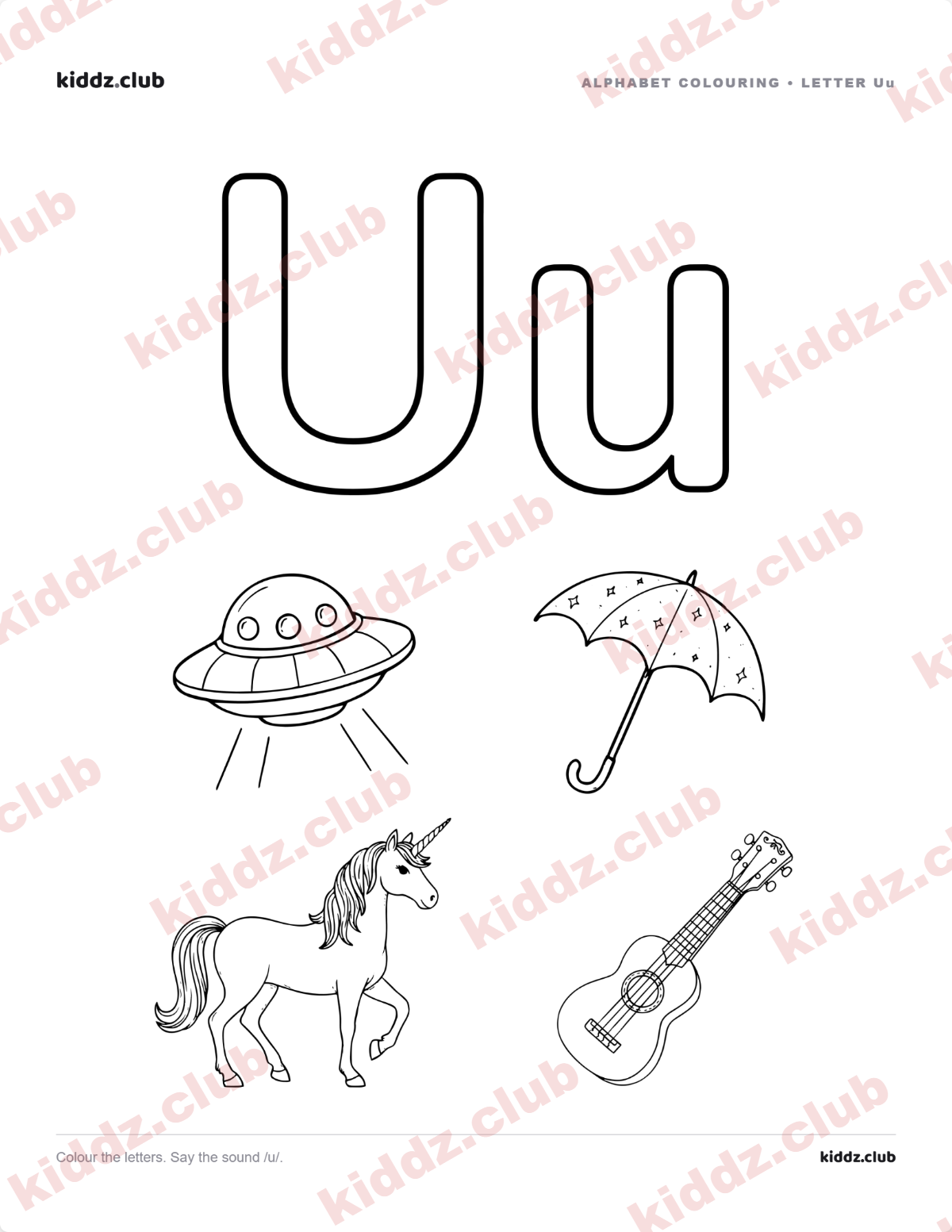
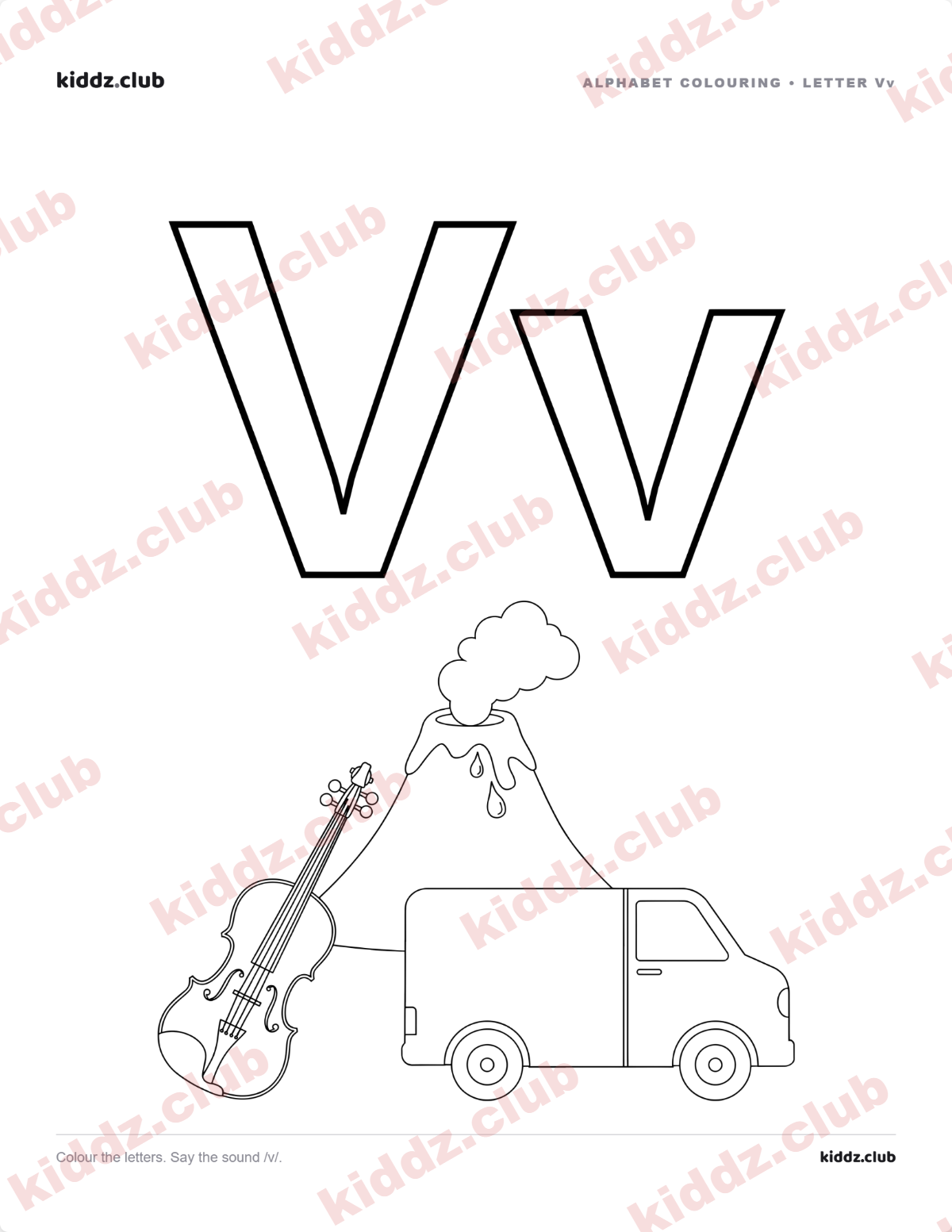
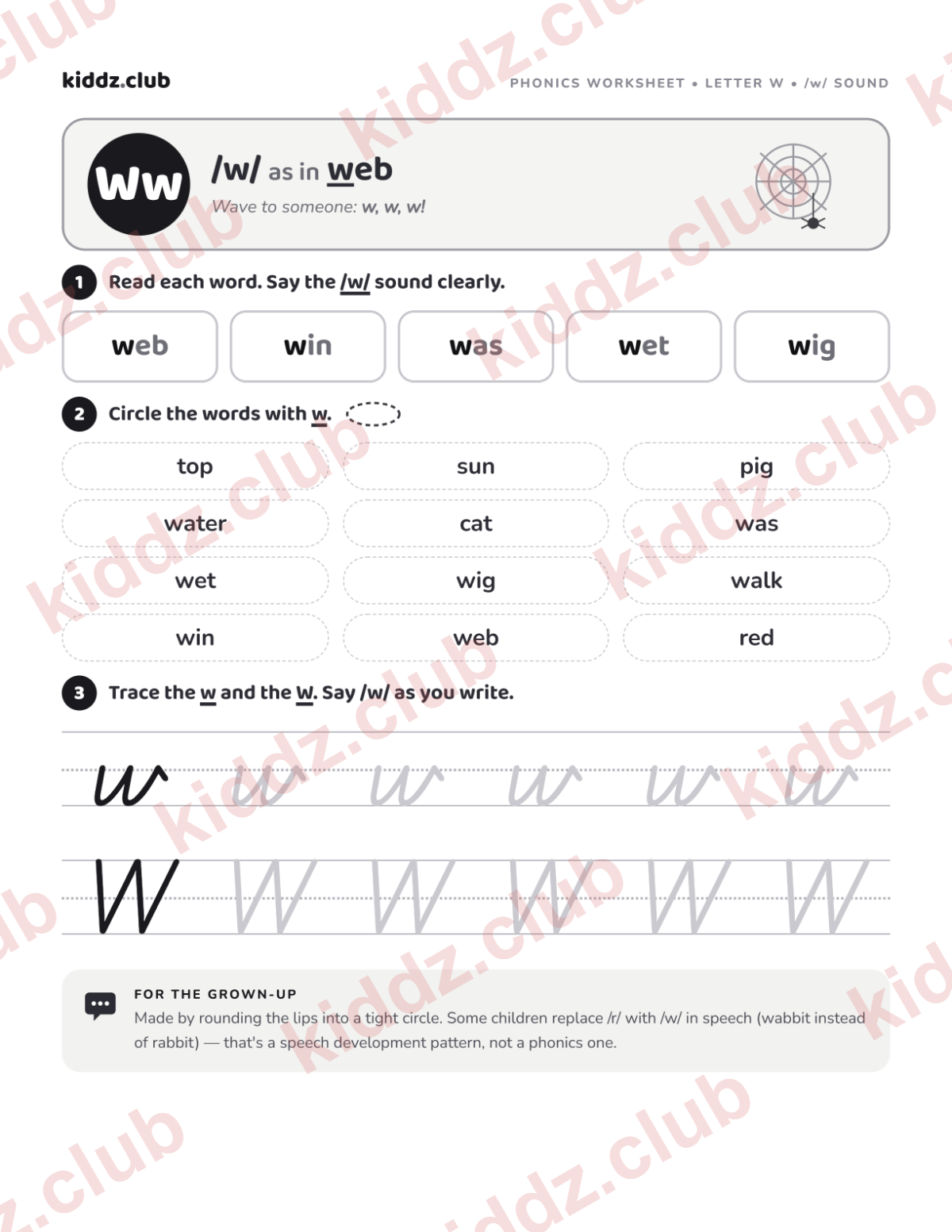
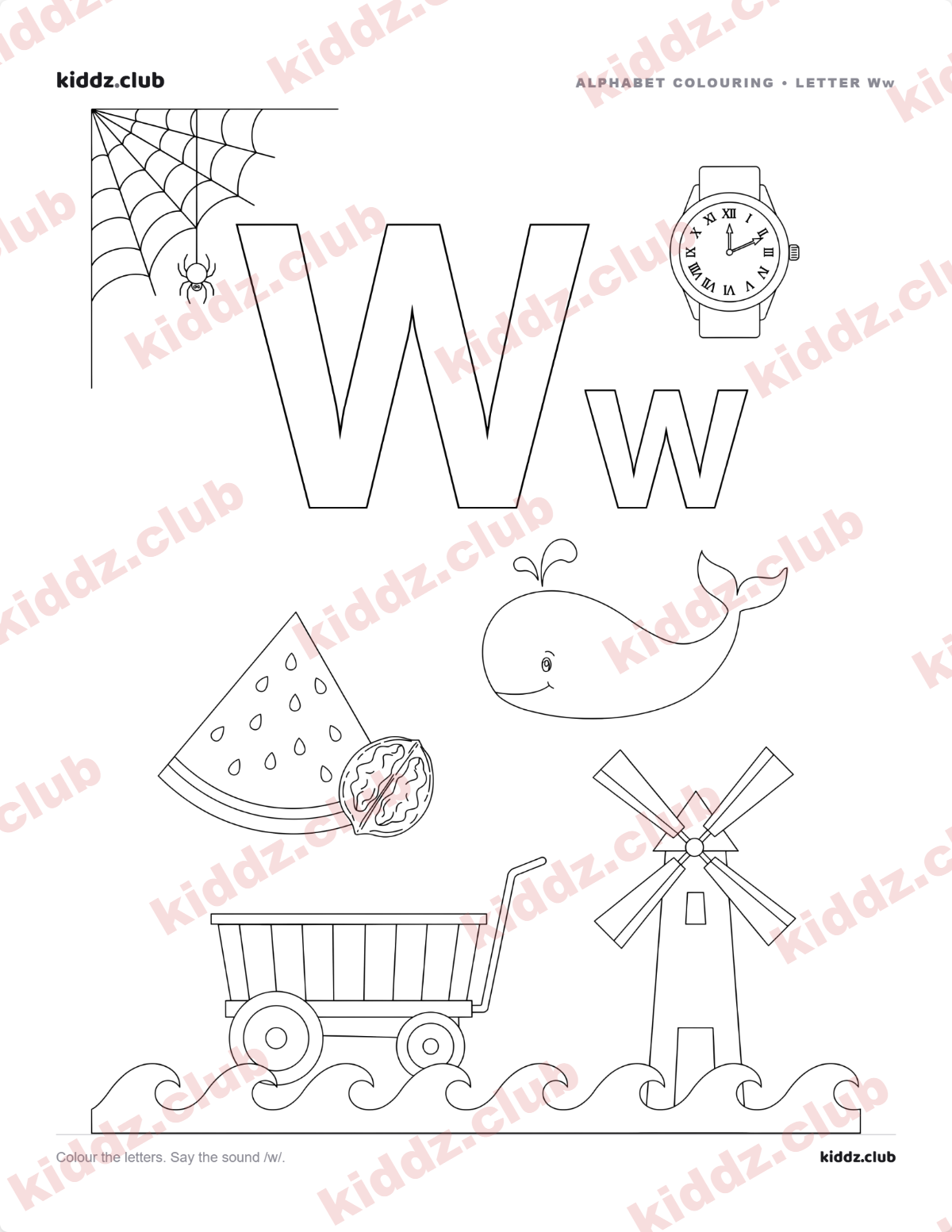
Phase 3 and late letters
The last letters most kindergartners meet — typically in spring of the kindergarten year.
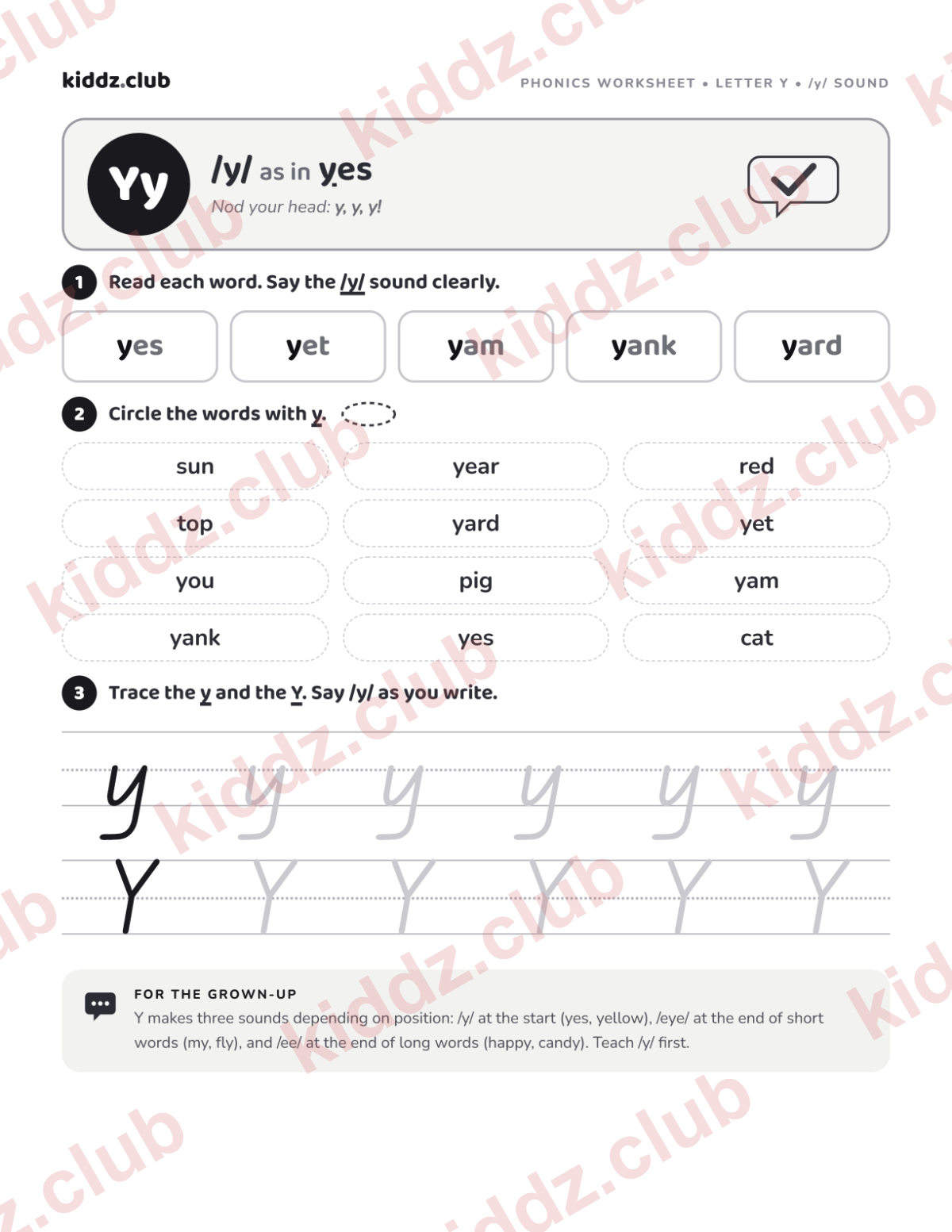
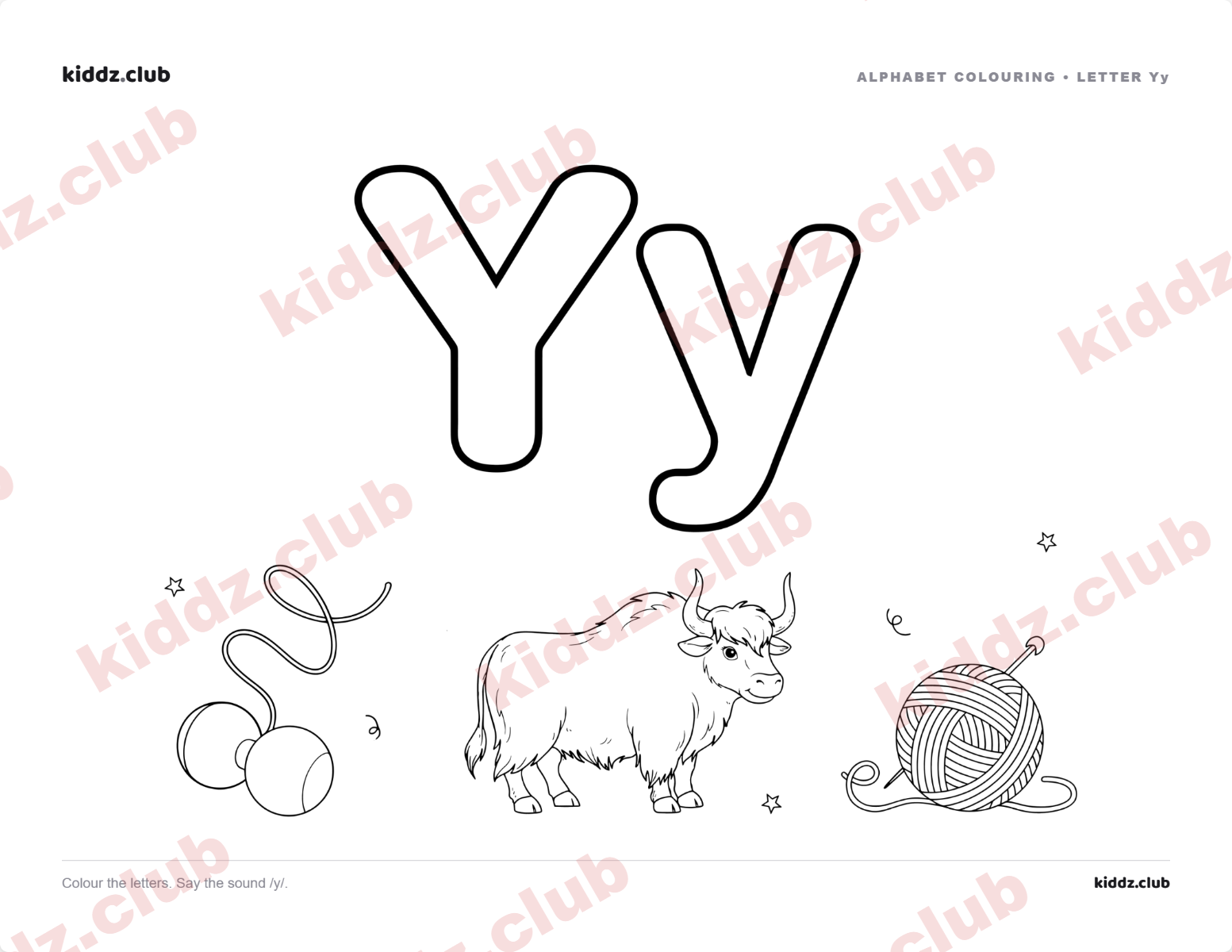
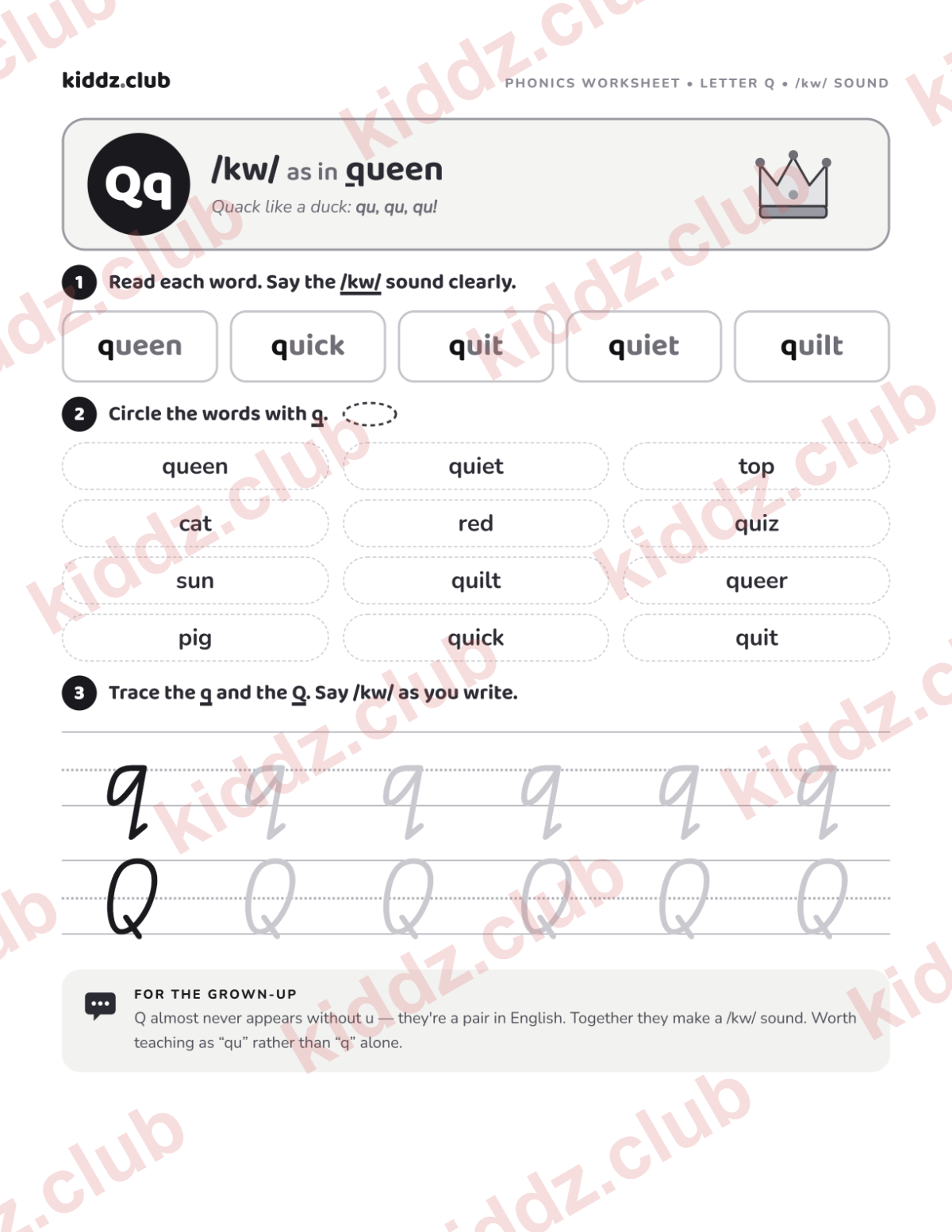
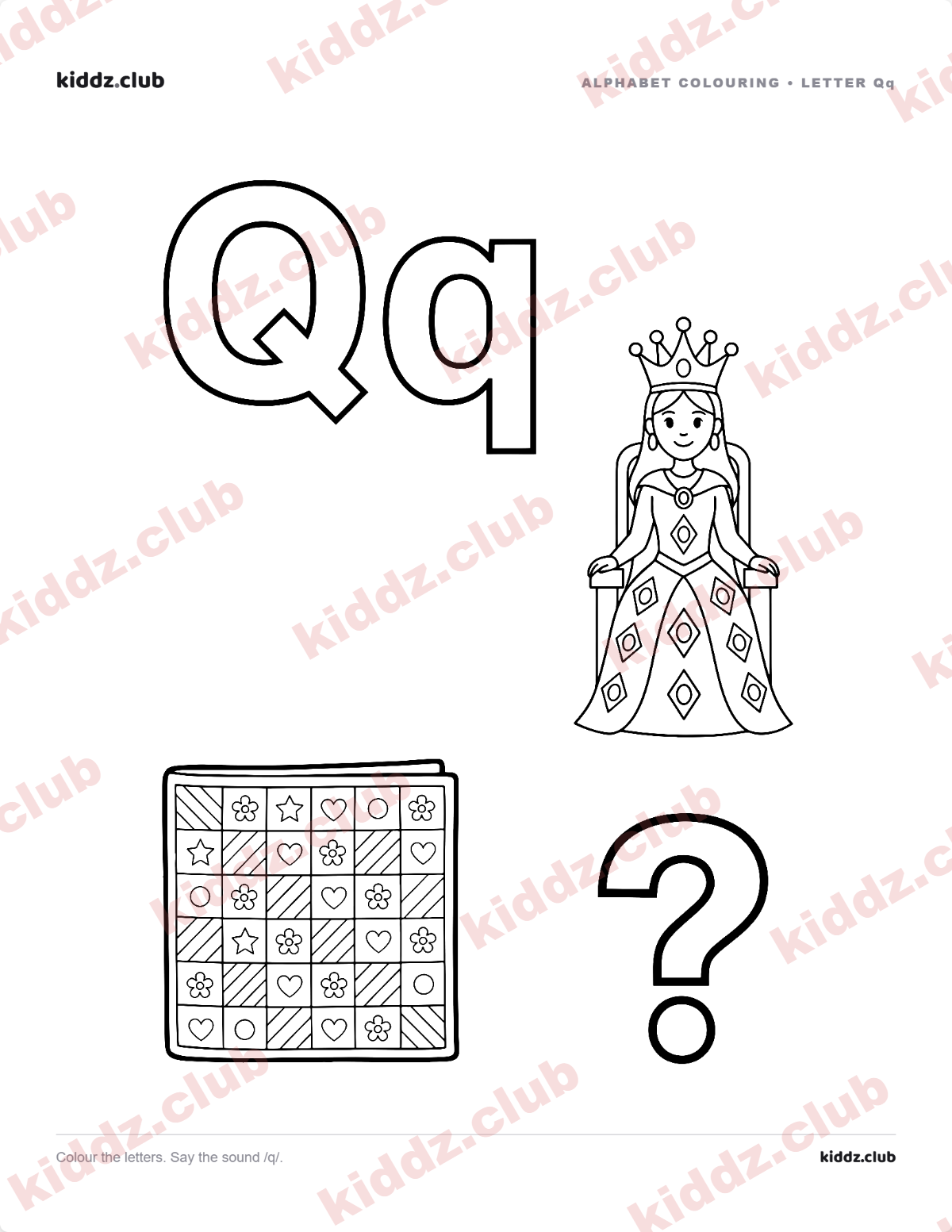
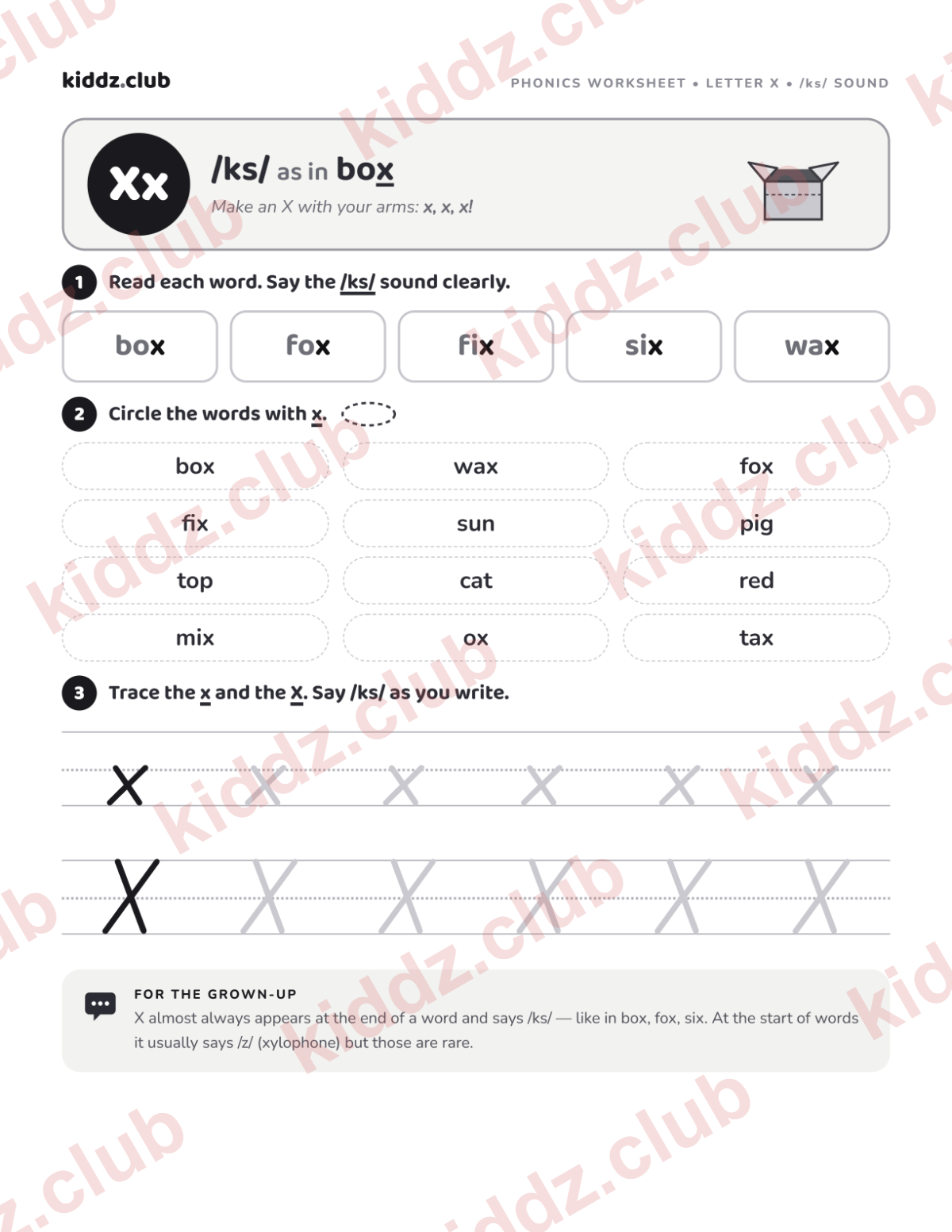
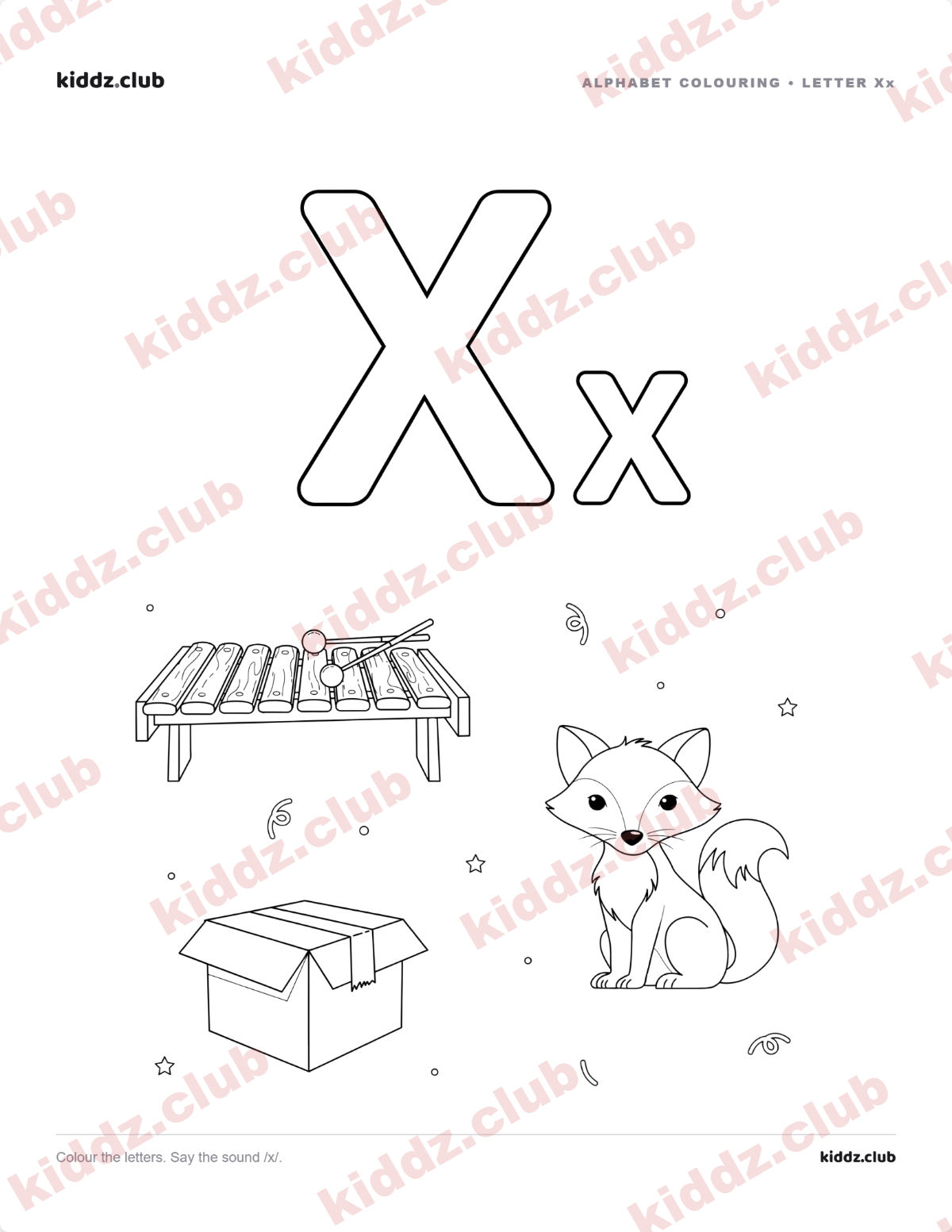
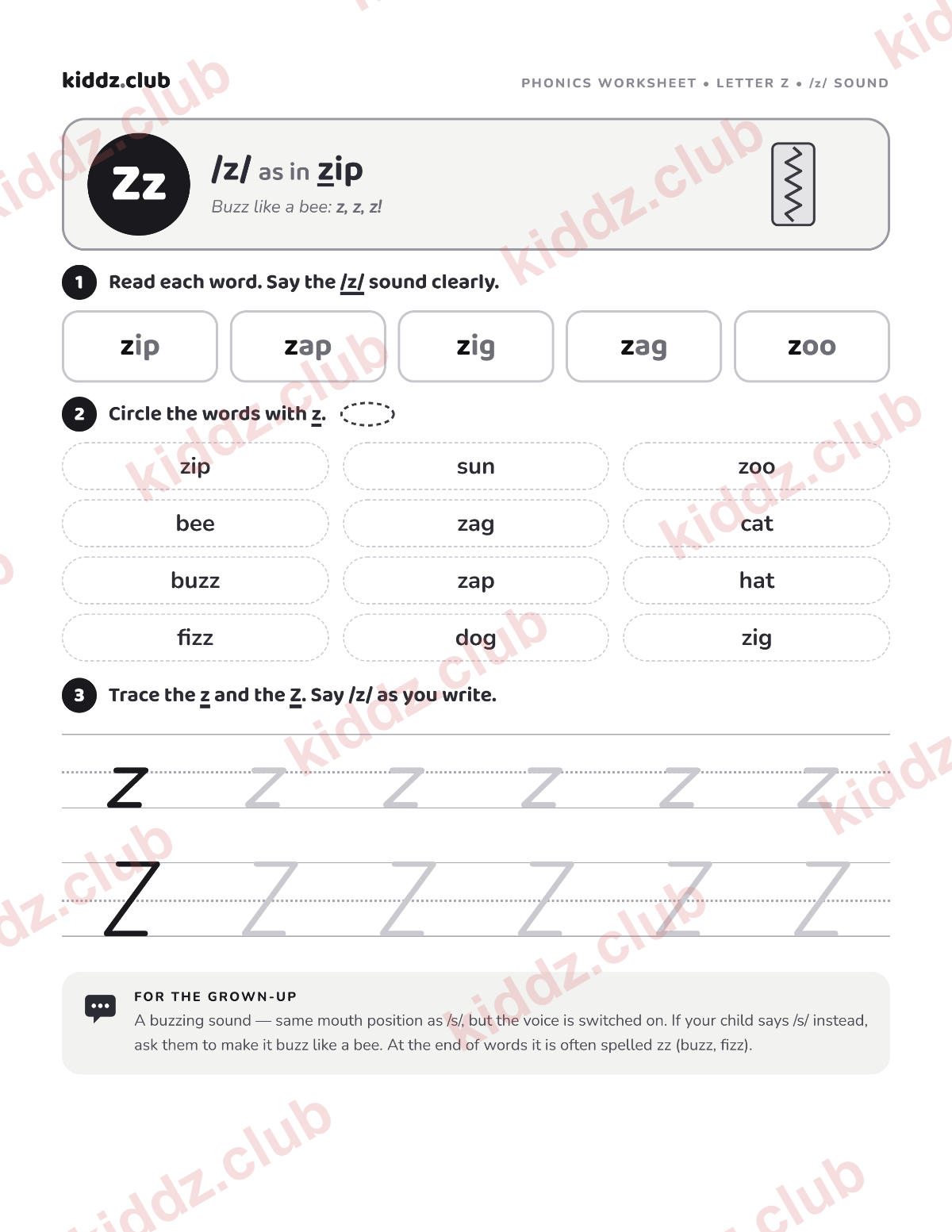
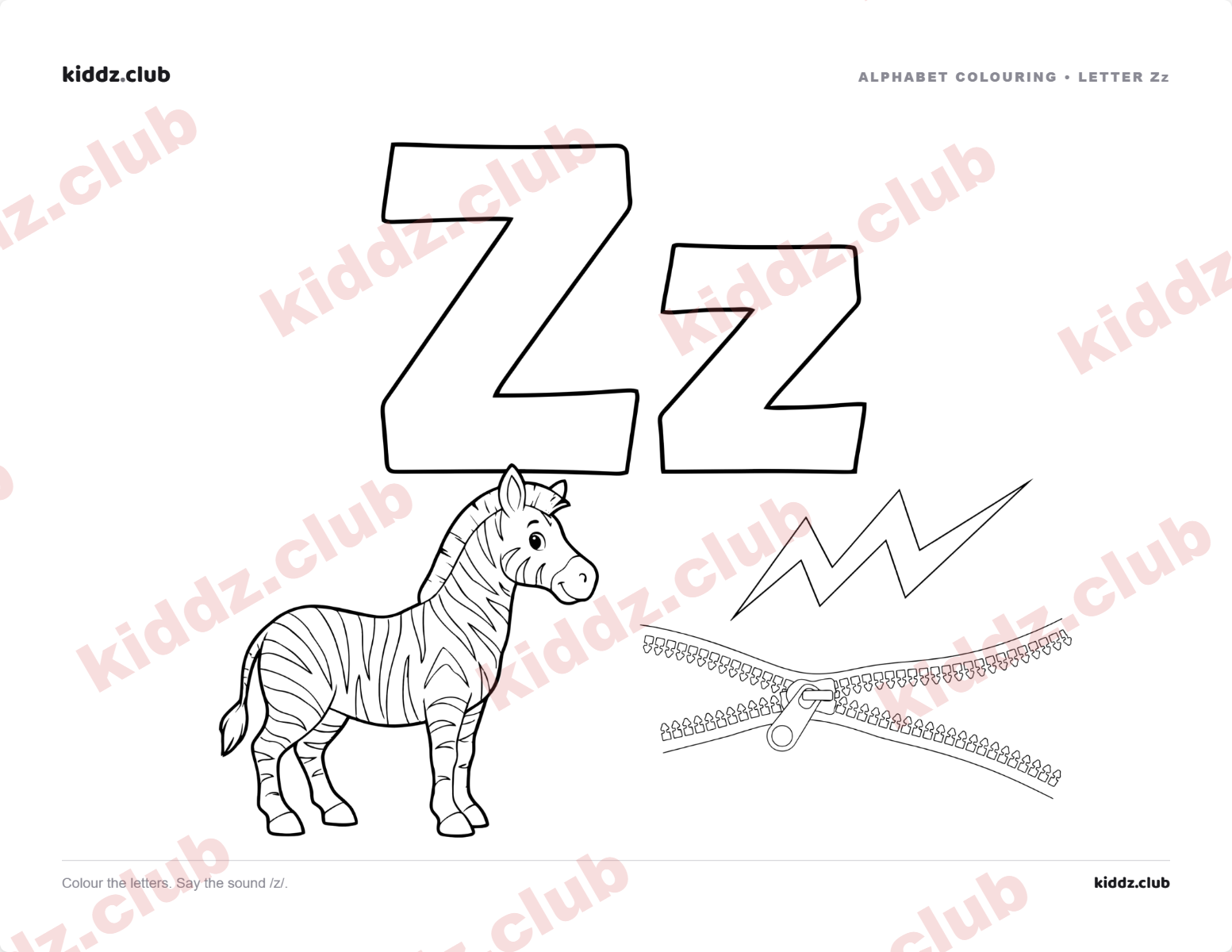
What's on each letter worksheet
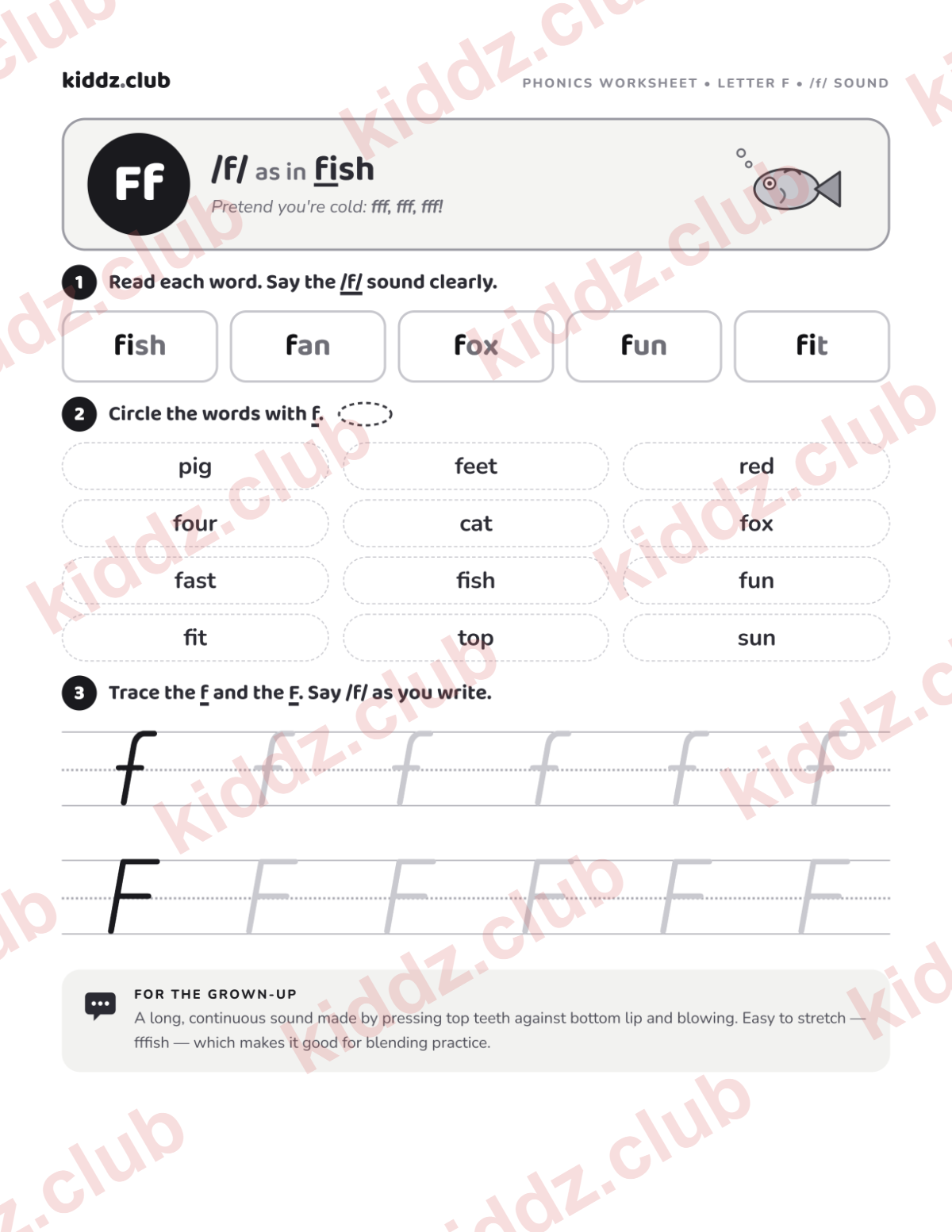
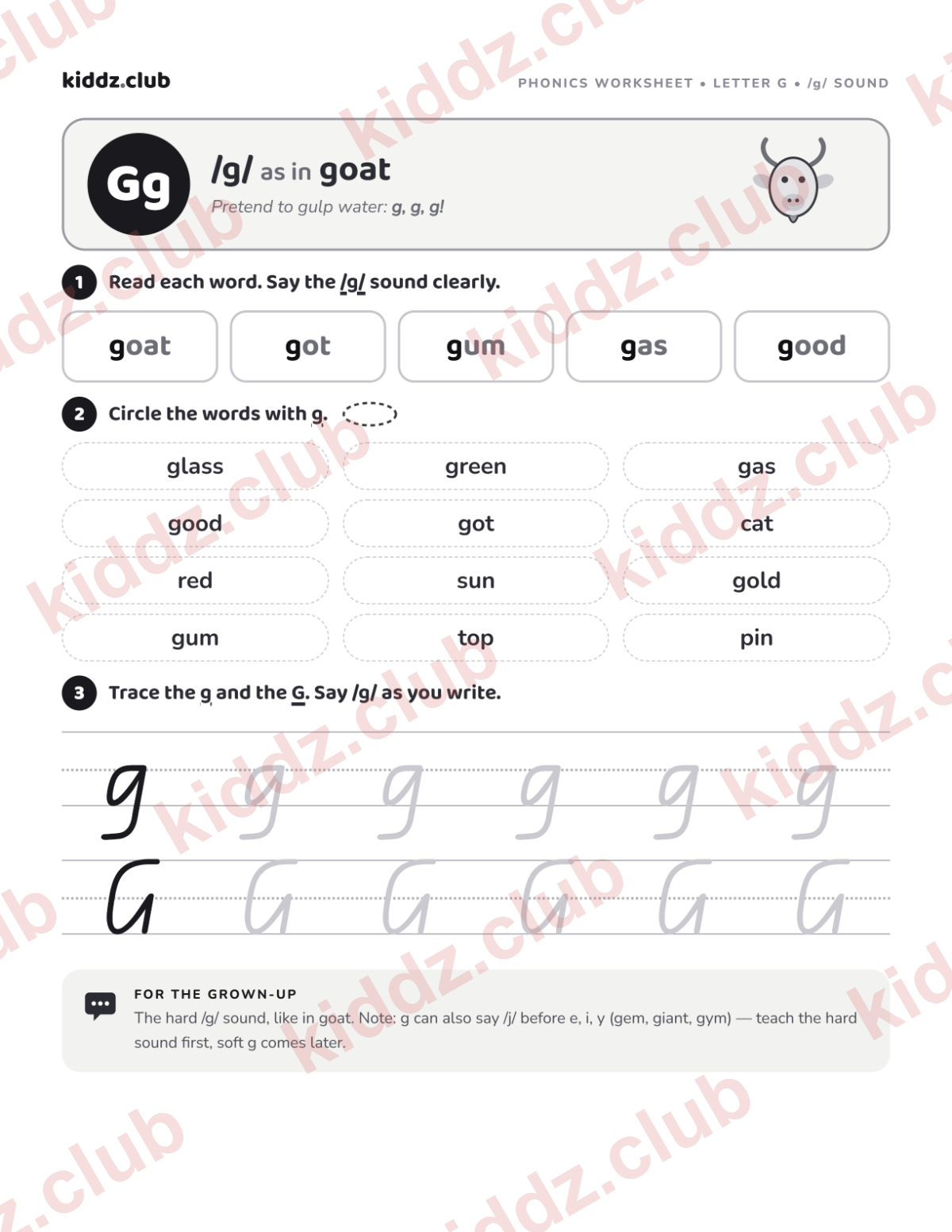
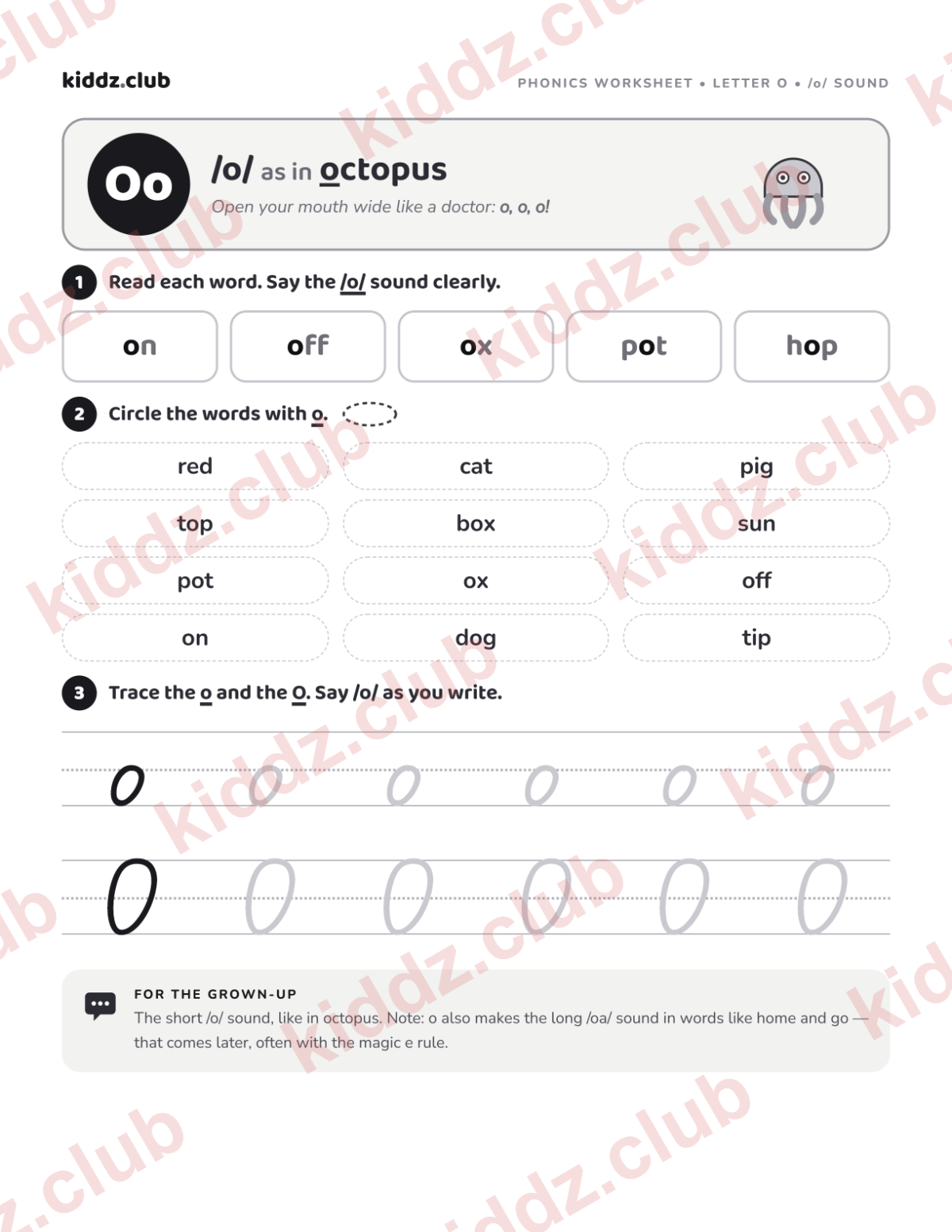
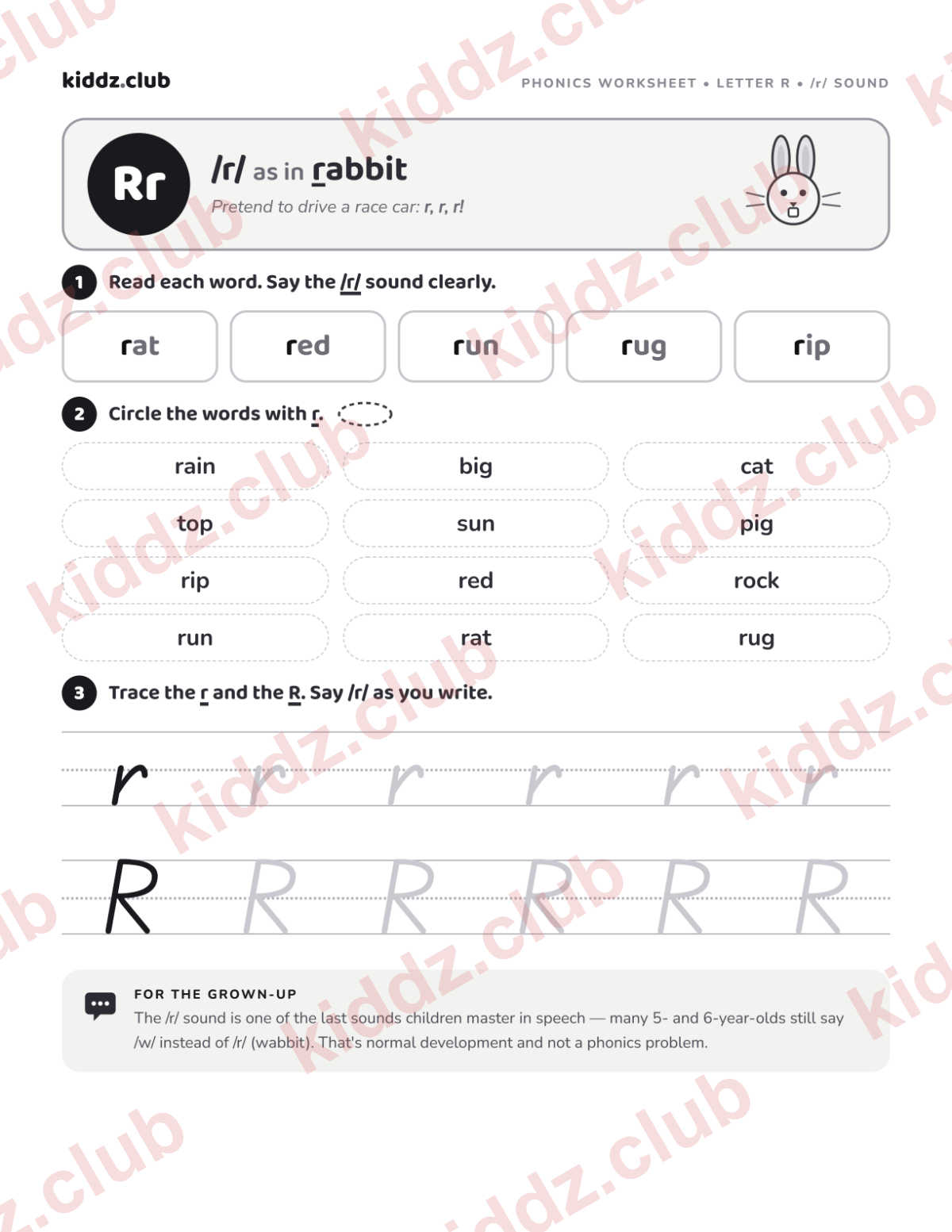
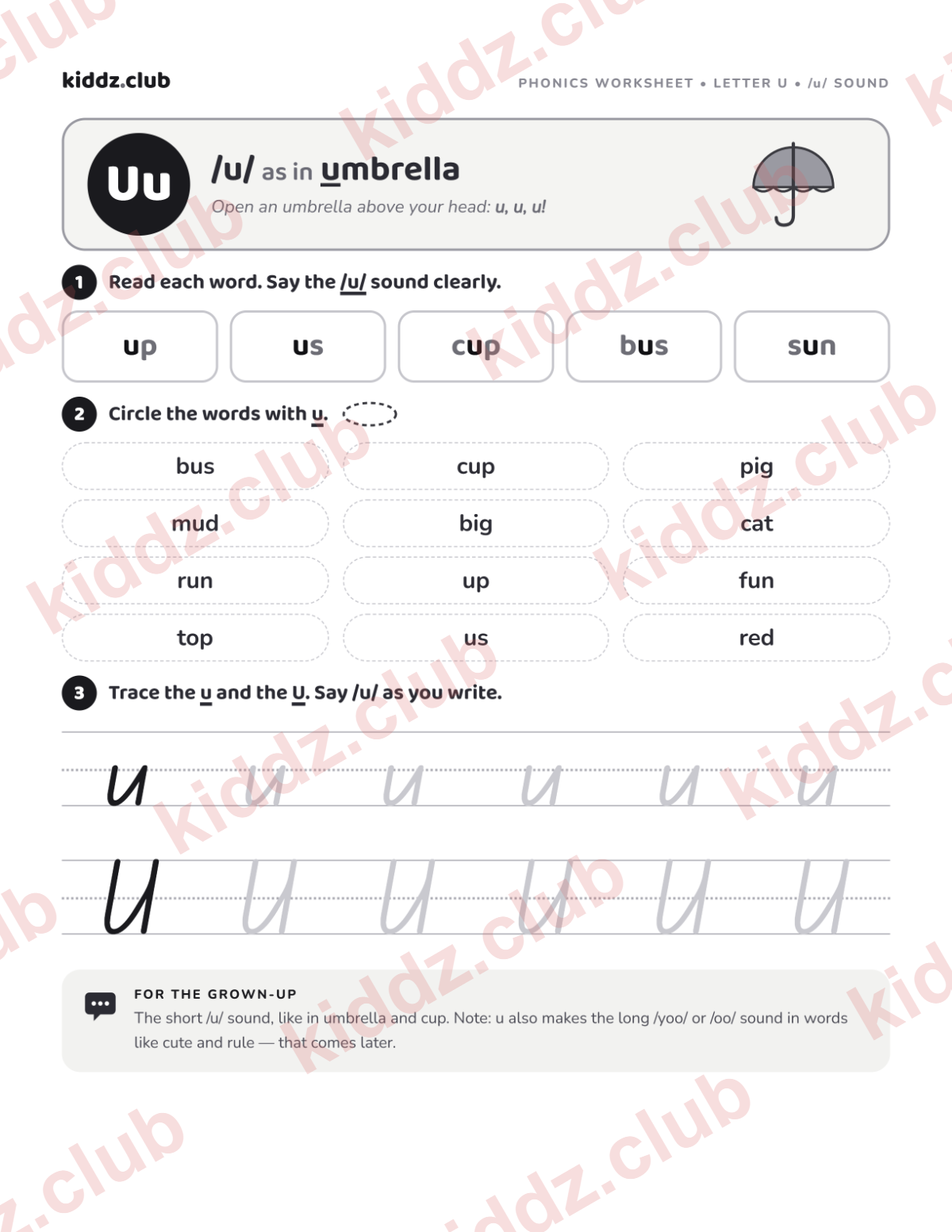
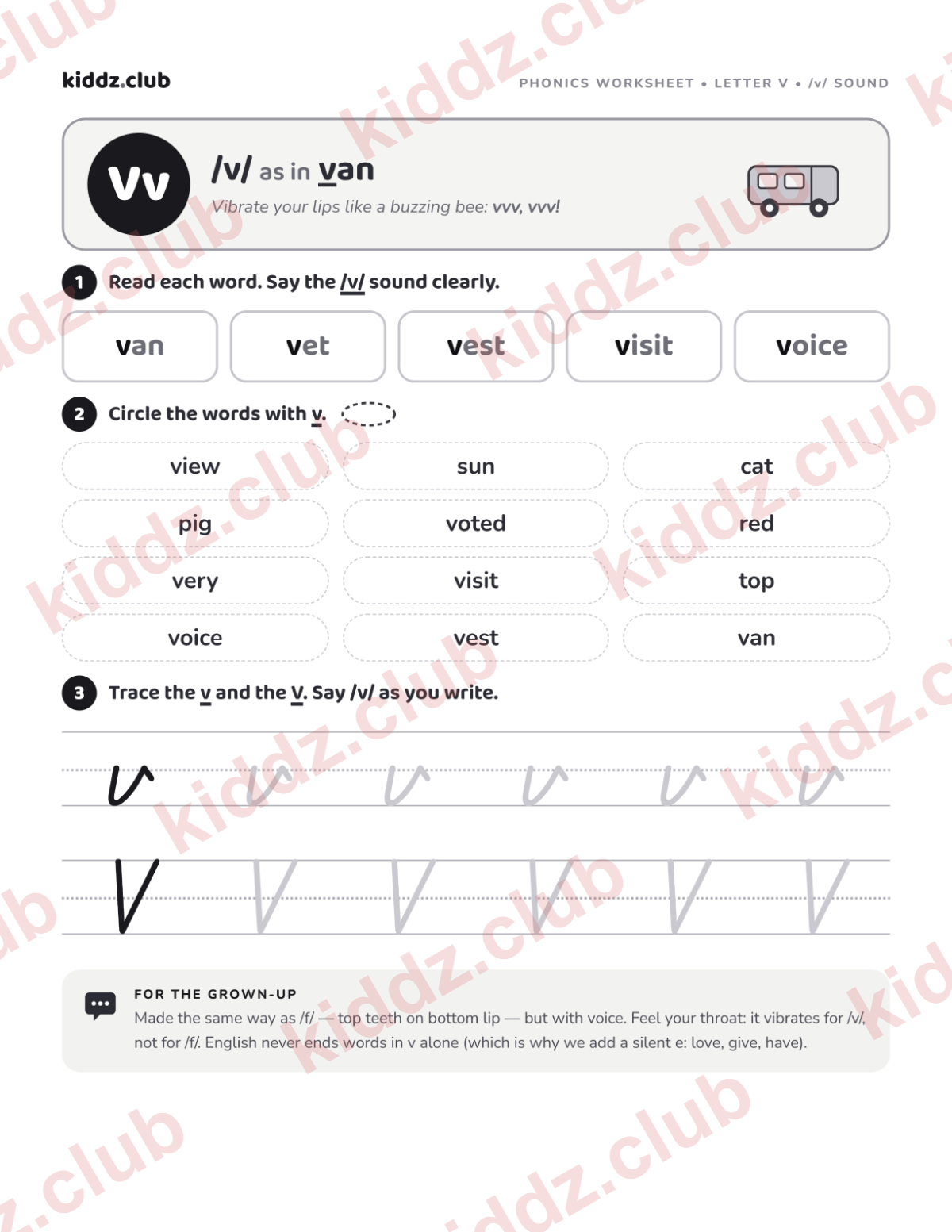
Each single-letter worksheet follows the same structure:
Activity 1 — Read each word. Five short words featuring the target sound, each with a colorable dot beneath.
Activity 2 — Find and circle. Twelve words shown in a grid; the child circles the words containing the target letter.
Activity 3 — Trace lowercase and uppercase. Four traces of the lowercase letter, then four traces of the uppercase letter. First of each is a solid model.
Parent note. A small note explaining the letter — including any tricky things specific to that letter (hard vs soft sound for c and g; q-needs-u; y's three different sounds; common letter confusions like b/d).
How to teach the alphabet
The order matters. Most modern phonics programs don't teach the alphabet from A to Z — they teach in a sequence designed to unlock words quickly. A common order:
- Magic 7: s, a, t, p, i, n, m
- Group 2: d, g, o, c, k
- Group 3: e, u, r, h, b, f, l
- Group 4: j, v, w, x, y, z
- Group 5: q (with u, taught as "qu")
This isn't a rule — many programs vary the order slightly. But the principle is consistent: teach letters in clusters that unlock words, not in alphabetical order.
The single most important rule across all letters: teach the sound, not the name. When you show your child s, say /sss/ — not "ess." Names actively interfere with blending.
When to use these worksheets
Use the Magic 7 pack first if:
- Your child is just starting phonics
- They're 4-5 years old
- They know a handful of letters but don't yet blend
Use individual letter worksheets if:
- Your child has mastered the Magic 7
- They're working through the rest of the alphabet
- You want targeted practice on a specific letter
Skip individual letter worksheets if:
- Your child reads CVC words across all letters confidently
- They should be moving on to digraphs and blends
Related resources
Part of the free phonics worksheets library — the foundational layer.
Working alongside the letters: beginning sounds worksheets — hearing the first sound in a word, practised entirely through pictures.
Once the alphabet is solid, move to:
- CVC Word Pack — three-letter words your child can decode
- Decodable Sentences — first connected reading
- Phonics blends worksheets — when CVC is fluent
- Consonant digraph phonics worksheets — sh, ch, th, ng
For parents:
Common questions
Should I teach the alphabet in order or in phonics groups?
In phonics groups. The alphabet song (A-B-C-D...) teaches names, which don't help with reading. Teach the sounds in groups that unlock real words. The Magic 7 unlock dozens of words on day one; teaching A then B then C unlocks zero.
My child knows the alphabet song but can't read — why?
Because the alphabet song teaches names, not sounds. Ay, bee, cee doesn't help blendcat. The fix is to re-teach the letters as sounds: point at a and say /a/(short a, as in apple), not "ay."
Are these worksheets really free?
Yes. Free for personal, classroom, and tutor use. Print as many copies as you need.
Are these worksheets aligned with my school's phonics program?
The materials follow synthetic phonics — compatible with Letters and Sounds (UK), Jolly Phonics, Read Write Inc., Saxon, and most other modern programs. The order may differ slightly between programs; use the order your school uses.
What about cursive or handwriting practice?
These worksheets use a simple bold sans-serif font for tracing, which works for early letter formation. For cursive or specific handwriting style instruction, you'll want a dedicated handwriting program. Phonics and handwriting are usually taught separately.
Ready for More Than Worksheets?
Picture This! teaches visualization step-by-step so children can genuinely understand—and enjoy—what they read.